10 years on from Brexit, traders shouldn’t forget the power of comms

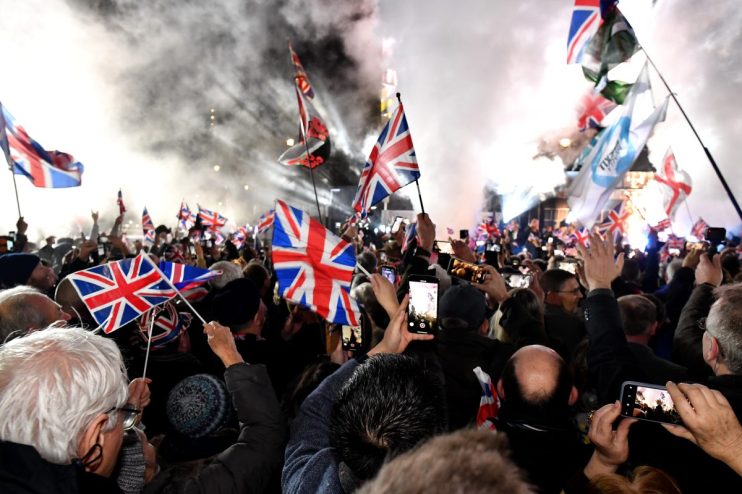
A decade on from Brexit, and its resulting Big Short style market swing, traders should remember the importance of comms, writes ex-Barclays rates trader Oliver Blower
It’s hard to believe it’s been a decade since that referendum, and you’d think we’d be past the point of another major political crisis. But traders thrive on political upheaval, as that infamous June 23rd night unequivocally proved. The pound plummeted even faster than Farage could get his ‘victory speech’ out, leaving a few savvy hedge funds to make a killing by betting against sterling’s fall.
It’s hard to say if we are set for another Brexit Big Short style market swing, but that chaotic night still lingers large in the memory, and it would take a brave man to bet against the possibility of history repeating itself.
Back in 2016, all the controversy was around access to information. Certain hedge funds were alleged to have leaned on polling data not available to the wider public to carry out their trades ahead of the rest of the market. Nothing nefarious transpired, but the event raised the question of when does polling research become an unfair advantage? And when does the use of non-public information become insider trading?
Traders must control their comms
Fast forward to today, and all financial institutions, not just hedge funds, are under a huge amount of pressure to provide intricate details like who said what to who and when about specific trades. It could be, for instance, providing rationale for an unusually large GBP/EUR options trade position placed a few minutes prior to an unexpected treasury statement. Today, these details are also likely to be discussed over Whatsapp or Signal. In an asset class like FX, the talks could be in a different language and sensitive points could even be made through emojis.
The aftermath of a Brexit Big Short style political disruption, as and when it comes around, will be about how well firms can reconstruct their trades. Financial institutions will need to be as diligent as possible to show how and why the GBP/EUR options position was taken, what information informed their unusually big position in GBP/EUR and whether the information was legitimately obtained. If concrete answers can’t be provided, then it is only right that the rule makers step in.
The trouble is that, all these years later, the industry still tends to operate on an implicit assumption that if something looks nefarious, it probably is. Guilty until proven innocent in practice though, right? Hedge funds should not feel restricted from coming up with trade ideas to make money for clients around big political events.
Ultimately, proving someone’s innocence is only as easy as the clarity of communications back and forth between traders. There is a careful balance to be struck so that hedge funds can do what they do best and deliver big returns to investors, while also ensuring that their investors trust them to work within the rules. 10 years may have gone by in the blink of an eye, but taking back control really must be long lasting at least for communications within hedge funds, if not within the corridors of power.
Oliver Blower is an ex-rates trader at Barclay’s and Bank of America Merrill Lynch. He is now CEO of fintech VoxSmart