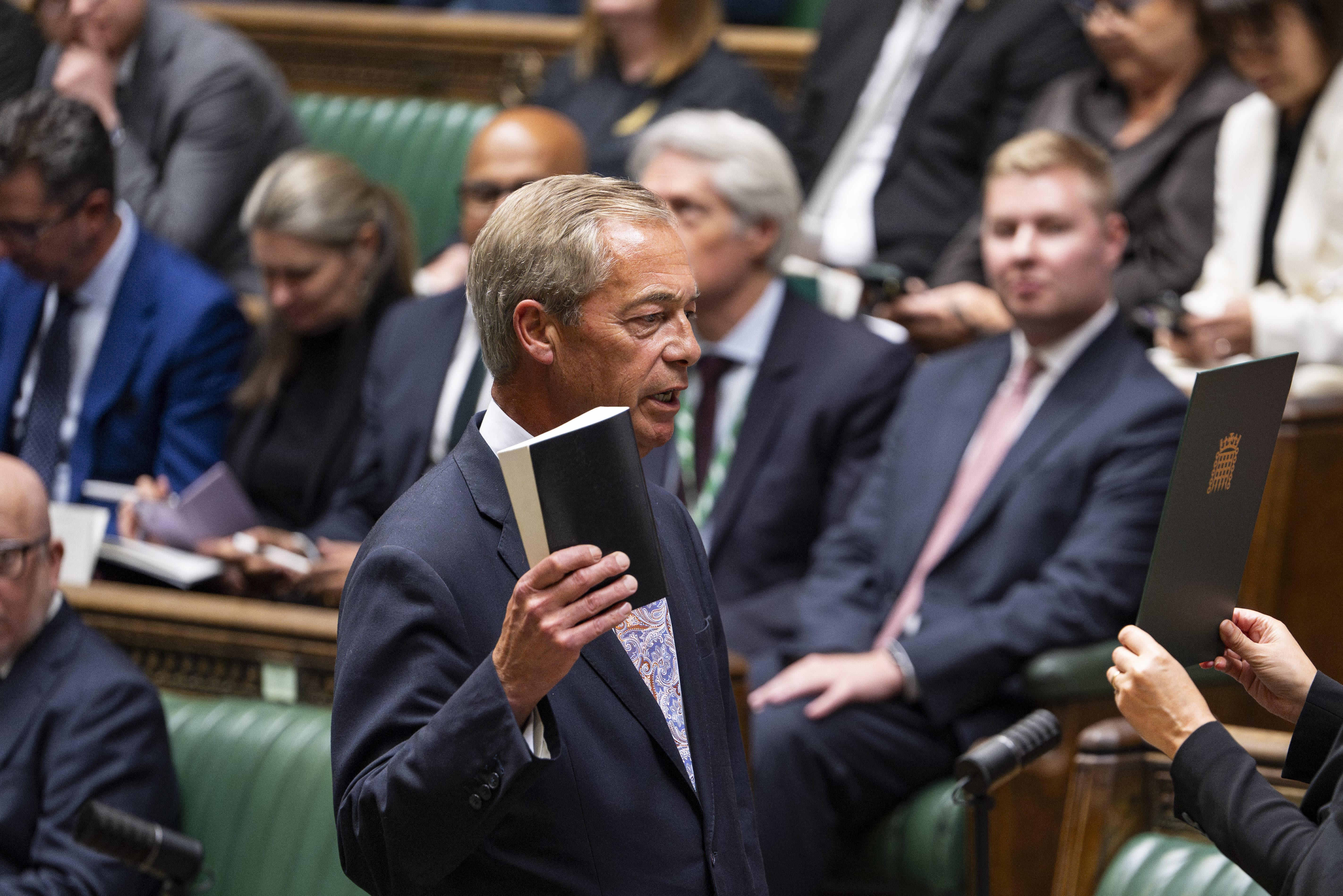
If Nigel Farage were to become prime minister, he plans to declare a "national emergency" on his first day in office to force through a slate of bills. The promise, made at the Reform UK conference, signals a confrontational approach that could unsettle investors who watch UK policy for clues on energy, finance and trade, sectors with strong ties to Canada.
Under the Reform agenda, MPs would sit seven days a week to pass legislation, including a budget that Robert Jenrick says would cut £80 billion in annual spending while raising taxes and targeting a £30 billion gain from lower debt‑interest costs. The plan also includes scrapping carbon taxes on generators, a move championed by deputy leader Richard Tice, who claims it would shave £250 off household energy bills.
Farage intends to criticize the past 14 years of Tory rule and accuse Labour leader Andy Burnham of extending the country's woes. He warned that any resistance from the Lords, the judiciary or the civil service would be met with determination.
Labour's chair Bridget Phillipson dismissed the proposals as a distraction from scrutiny over a £5 million donation from crypto billionaire Christopher Harborne to Farage before the 2024 election. She argued that Farage's own financial entanglements undermine his credibility on national issues.
The Reform party's messaging, which includes panels with industry leaders such as Panmure Liberum and AI firm Multiverse, aims to position the party ahead of Labour in certain polling segments. However, the party also faces pressure from the governing party's recent popularity boost.
For Canadian investors, the prospect of a UK government willing to overhaul energy taxes and pursue aggressive fiscal cuts could affect cross‑border energy contracts and financial services exposure, given the long‑standing trade relationship between the two countries.