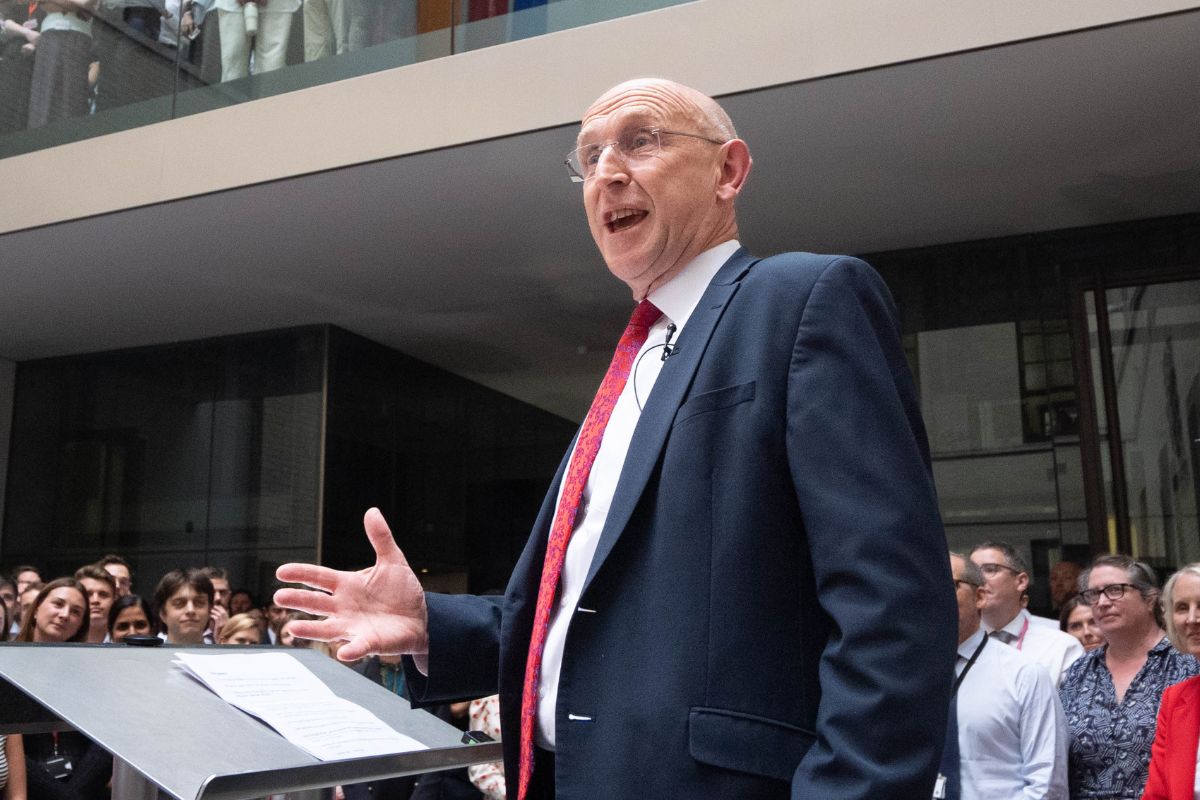
Canadian investors with exposure to UK sovereign debt should note that the United Kingdom's public finances have slipped into an unexpected deficit in the first month of John Healey's tenure as Chancellor, a development that could pressure bond yields.
Official figures released on Friday revealed that government borrowing reached £1.8 billion in July, a level that market forecasts had not anticipated. Analysts had expected the Office for National Statistics to report a balanced budget for the month, and the amount also exceeded the estimate from the fiscal watchdog.
Grant Fitzner, chief economist at the ONS, said public sector borrowing to date this financial year remains lower than the same period last year, both in total and as a share of the economy, but it is still above the OBR's spring forecast. He added that borrowing was slightly higher this month than in July last year, as spending growth outpaced higher receipts, including from self‑assessed taxes that tend to rise in July.
The ONS also confirmed that total public sector debt stays below £3 trillion, despite rumours that it had crossed that threshold. Interest payments on the debt in July amounted to £7.7 billion.
KPMG UK senior economist Dennis Tatarkov warned that short‑term measures to ease the cost of living and to support the economy after a price shock from the Iran conflict are likely to keep borrowing elevated. He cautioned that while the Chancellor may be tempted to use leeway in fiscal rules to increase spending ahead of the Autumn Budget, market appetite for additional debt is limited, especially as the UK faces the highest borrowing costs among the G7.
The upcoming budget on 28 October will be the first full set of figures Healey sees before delivering the government's fiscal agenda. He has defended his first month, insisting the administration remains within fiscal rules and that "fiscal discipline is the bedrock of our UK economic stability and national security."
Healey claimed the UK is cutting its deficit faster than any other G7 economy while providing relief from cost‑of‑living pressures and focusing on getting young people into work.
Opposition Sir Mel Stride countered that the Labour government cannot afford its price, accusing it of planning to borrow over a quarter of a trillion pounds more than the inherited plans, effectively tapping the nation's credit card.
Economist Simon French of Panmure Liberum suggested that Healey will not need to raise taxes at the budget to address the short‑term fiscal gap, though he noted a possible tax hike to fund defence and cost‑of‑living pledges.
External factors such as ongoing tensions in the Strait of Hormuz, linked to President Trump's stance on Iran, and the lingering impact of Russia's invasion of Ukraine, add uncertainty to the fiscal outlook and could influence future borrowing needs.