
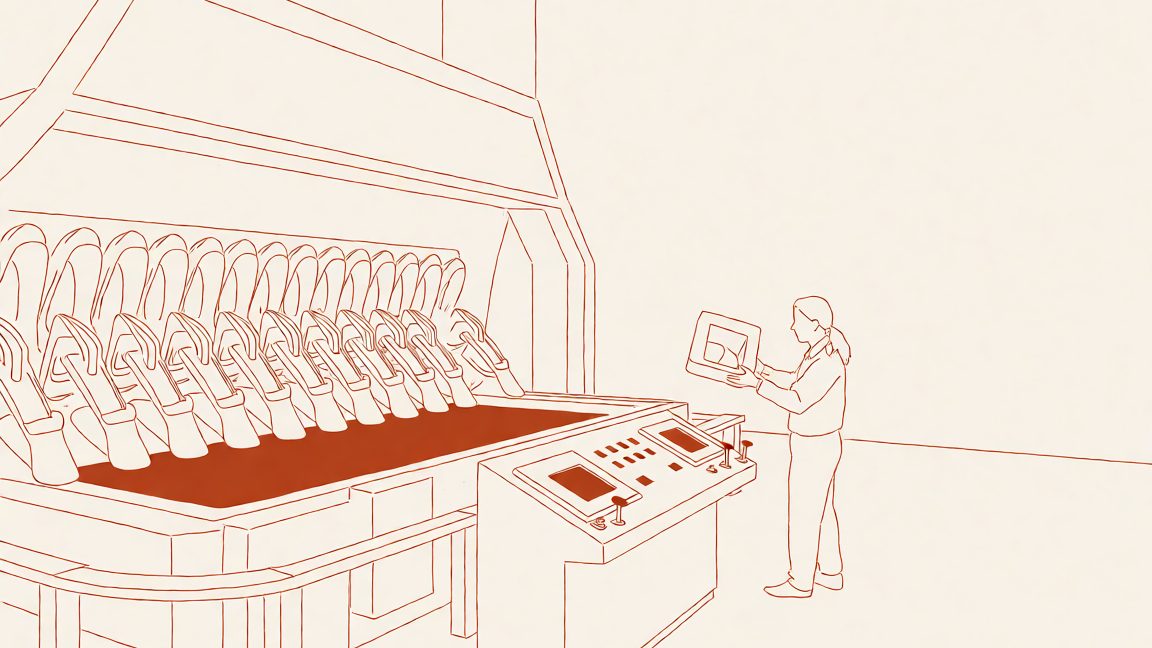
Hertha Metals’ single‑step, natural‑gas‑fired furnace cuts CO₂ emissions per tonne of steel by at least 50% and lowers production costs by roughly 25% compared with conventional coal‑based blast‑furnace steelmaking, the company says.
Technology that halves emissions
The pilot plant in Texas replaces the multi‑step coal‑based route with a single conversion of iron ore to liquid steel using natural gas. "Her method turns iron ore into refined liquid steel in a single step, and it swaps coal for natural gas. Together, those changes slash emissions by at least half, she says, and cut costs by 25% compared with steelmaking business as usual," the founder Laureen Meroueh told MIT Technology Review (source). The 50% figure is presented as a reduction per tonne of steel relative to the industry baseline.
Cost advantage of natural‑gas steelmaking
Meroueh also cites a 25% reduction in production cost per tonne versus the traditional blast‑furnace process. The same MIT Technology Review article attributes the cost saving to the elimination of coal handling, lower energy intensity of the gas‑fired furnace and the streamlined one‑step operation.
Pilot‑plant scale and rollout plan
The Texas facility can produce roughly one metric tonne of steel per day, equating to about 365 t a year at current output. The company plans to scale the pilot to a steady 10,000 t of high‑purity steel per year and reach full capacity by the end of 2027, according to the MIT Technology Review report.
Looking further ahead, Meroueh believes the firm could expand to 500,000 t per year by 2030 with the addition of a third site. Those targets are part of a roadmap that hinges on the commercial viability demonstrated by the pilot.
Funding and ownership
Hertha Metals has raised about $20 million in venture funding as of July 2026, again reported by MIT Technology Review. The capital is being used to finish the pilot, secure the first commercial‑scale plant and fund the next‑generation sites.
Industry context and impact
The steel sector accounts for roughly 7% of global CO₂ emissions, according to the same MIT Technology Review background on the industry’s reliance on coal. If Hertha’s technology can be replicated at scale, the emissions cut per tonne could translate into a material reduction in the sector’s carbon footprint.
Lower production costs could also shift the economics of low‑carbon steel, making it more competitive with conventional steel in price‑sensitive markets such as automotive and construction. Investors focused on climate‑aligned industrial tech may view the $20 million raise as a signal of confidence in the commercial potential.
What remains unknown
- The pilot’s actual energy consumption per tonne has not been disclosed.
- Independent third‑party verification of the 50% emissions reduction and 25% cost saving is still pending.
- Regulatory approvals for larger‑scale natural‑gas furnaces in North America have not been detailed.
Until those data points are public, the figures remain company‑provided estimates.
Performance comparison
| Metric | Hertha Metals pilot | Conventional blast furnace |
|---|---|---|
| CO₂ emissions per tonne of steel | ≈50% lower | baseline |
| Production cost per tonne | ≈25% lower | baseline |
| Daily output | 1 t | Varies (larger plants) |
| Source: MIT Technology Review | ||
Hertha Metals’ next steps will be watched closely by both climate‑focused investors and steelmakers seeking a lower‑carbon pathway.