Skip to content
CityAM
Main navigation
  • News
    • News
      • Latest Business News
      • Economics
      • Politics
      • Tech
      • Banking
      • FTSE 100 Live
      • Retail
      • Insurance
      • Legal
      • Property
      • Transport
      • Markets
    • From our partners
      • AON
      • Bayes Business School
      • Canada BIDs
      • Central London Alliance CIC
      • Destination City
      • Halkin
      • Olympia
      • Inside Saudi
      • Tottenham Hotspur Stadium
      • Santander X
      • YEAR SIX Dividend
    • Featured

      ‘Very concerned’: City watchdog scolds motor finance lenders over £9bn redress scheme

      FCA sign

      Submit a story

      Tell us your story.

      Submit
  • Opinion
  • Sport
    • Latest Sports News
      • Sport
      • Sport Business
    • From our partners
      • The Morning Briefing: SBS x CityAM
      • Aramco Team Series
      • LIV Golf
    • Featured

      Dallas, Boston, New York New Jersey: Inside England’s Fifa World Cup stadiums

      Getty Images logo against a sleek, modern background, representing the influence of media in the business world

      Submit a story

      Tell us your story.

      Submit
  • Life&Style
    • Life&Style
      • Life&Style
      • Toast the City Awards
      • The Magazine
      • Travel
      • Culture
      • Motoring
      • Wellness
      • The RED BULLETiN
      • Do it with Shared Ownership
      • Media Speak Hub
    • Featured

      Glengarry Glen Ross at the Old Vic fails to close

      Glengarry Glen Ross production at Old Vic Theatre showcasing intense business negotiations and dramatic performances

      Submit a story

      Tell us your story.

      Submit
  • Investec
  • Events
  • Latest Paper
Monday 10 July 2023 6:00 am  |  Updated:  Sunday 09 July 2023 11:32 am

Oil sorted? OPEC gambles on demand revival to boost flagging prices

By: Nicholas Earl

Add as a preferred source on Google
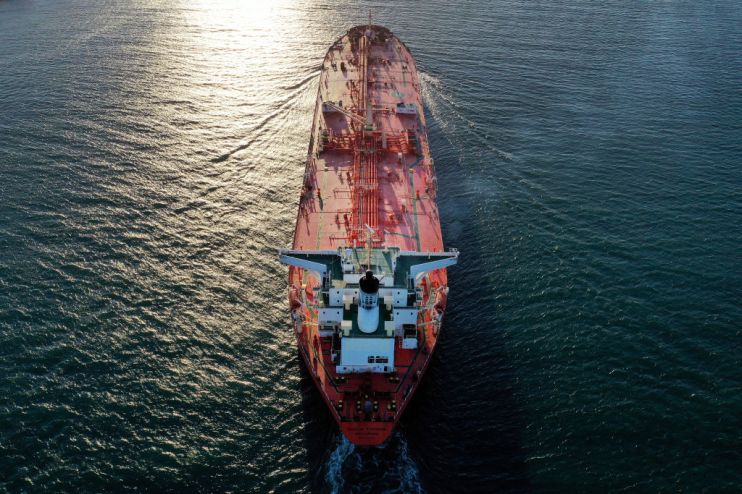
Views Of Tanker Ships Carrying US Petroleum Exports
Tankers transporting fossil fuels, such as LNG, have been vital to meeting energy demand amid a Russian supply squeeze

China’s sluggish revival from the pandemic, hawkish central banks grappling with inflation across Europe and North America, and growing fears of a global economic downturn has dampened last year’s fossil fuel rallies – with oil prices easing to normal levels again.

While this is a setback for energy giants, as it likely signals the beginning of the end for the global commodity cash-in that powered them to record multibillion dollar profits, no one is more worried than the world’s most influential energy cartel.

The Organisation of the Petroleum Exporting Countries (OPEC) and its allies, known as OPEC+, met last weekend in Vienna to discuss a dilemma that seems increasingly beyond their control.

The latest conference was remarkable for two reasons, firstly, frequent adversaries Iran and Saudi Arabia held talks for the first time since diplomatic ties were renewed in March, and Western media outlets were largely excluded from the two-day proceedings.

Journalists from Reuters, Bloomberg and the Wall Street Journal were barred from covering the event in person – for the second month in a row – despite having been recurrent reporters at previous gatherings.

While no reason has been specified for their snubbing, it reflects an organisation that is under sustained pressure.

Oil’s downward journey troubles OPEC

OPEC+ pumps more than 40 per cent of the world’s oil supply, and uses its leverage to prop up prices in times of wilting demand, normally through heavy cuts to production.

The group bullishly protects its own interests, and has unsurprisingly unveiled a raft of supply cuts since both major benchmarks began to slide from their war-fuelled peaks last summer.

Much of this slashed output has been driven by de-facto leader Saudi Arabia alongside key ally Russia, with both countries deepening their reduction rates into August.

None of this is remarkable.

Instead, what is noteworthy is how little effect OPEC+ has managed to have on prices, with investor sentiment over the economy wiping away their supply shortages.

Oil prices soared to a 14-year high of $139 per barrel last March two weeks after conflict erupted in Ukraine, and remained elevated above the century milestone for much of the summer.

Read more

Reeves warned Iran war oil shock will lead to government borrowing spike

Rachel Reeves speaking at an IOD event.

Since then, however, markets have been calmed by a warmer-than-expected winter and Europe’s successful scramble for fossil fuels amid a Russian supply squeeze.

When prices dipped to around $90 per barrel last October, OPEC+ intervened with a two million barrels per day cut in output, which was shared across its members.

These hefty cuts drew the ire of US President Joe Biden, after his persistent pleas with the cartel to raise production fell on deaf ears last year.

However, Biden ultimately had no need to fret, as oil markets were barely influenced by the decision – ticking up for a few days, before subsiding back to their winter slump which stretch into new year.

A surprise further slash in oil output in April also failed to kickstart a sustainable shift in prices, which spiked $9 per barrel to above $87 per barrel before the tidal wave of gloomy economic across the West and China data washed away those gains.

As it stands, Brent Crude and WTI Crude are trading around $79 and $74 per barrel – well below the level both benchmarks were at before OPEC+ first intervened.

Another rally? Oil shows signs of recovery

There are, however, signs oil prices could finally be moving upwards after four consecutive quarters of decline – with trading closing on a nine-week high last Friday.

Saudi Arabia, the de-facto OPEC+ leader, and Russia have both deepened production cuts – taking collective cuts across the cartel around five million barrels per day, around five per cent of global oil demand.

This could be the first sign of a major breakout in prices, with the cumulative weight of cuts finally overpowering poor productivity and waning fuel data from China, sustained interest rate hikes from the Federal Reserve and recession fears in developed economies.

The cartel still expects prices to rise later this year too, powered by a demand growth of 2.4m barrels per day in the second half of this year – with rival forecaster the International Agency predicting a similarly chunky increase in its latest forecasts.

OPEC+ believes that its cuts will be vindicated by resurgent demand, which will drive up prices again and allow its members to cash in – reflecting its influence across energy markets.

Yet, if it is mistaken, and prices fail to rise in line with its proactive policy positions, it might be time to reassess its influence, and the value of its insight. 

Read more

The world can’t keep consuming more than it produces

FTSE 100 stocks rise as Brent crude oil prices jump 1.8% to $104.98 amid Strait of Hormuz tensions and Trumps Iran stance

Share this article

  • Facebook
  • X
  • LinkedIn
  • WhatsApp
  • Email

Similarly tagged content:

Sections

  • News

Categories

  • Energy

Related Topics

  • Energy
  • Markets
  • Oil prices

Trending Articles

  • Who could be Andy Burnham’s Chancellor? 

  • As it happened: FTSE 100 finishes higher as US-Iran talks progress and Starmer resigns; Space X shares fall after bond sale

  • Starmer will resign, Trump says

  • Kaleb Cooper: Brits don’t care about the price of milk 

  • Iran to close Strait of Hormuz as Trump threatens toll

More from CityAM

  • Reeves warned Iran war oil shock will lead to government borrowing spike

    Economics
    Rachel Reeves speaking at an IOD event.
  • The world can’t keep consuming more than it produces

    Opinion
    FTSE 100 stocks rise as Brent crude oil prices jump 1.8% to $104.98 amid Strait of Hormuz tensions and Trumps Iran stance
  • ‘Nothing is straightforward’: Market analysts warn of US-Iran deal complications 

    Markets
    Breaking news event coverage with diverse crowd gathered, showcasing a lively urban scene, reflecting current affairs.
  • ‘Dire’: Rapid decline in construction as sector slashes jobs

    Economics
    Construction workers building a residential complex, symbolizing Labours push for renters rights legislation
  • As it happened: FTSE 100 see-saws after inflation undershoots; Oil at $80 as Trump threatens ‘dropping bombs’ on Iran

    Markets
    Donald Trump addressing media at a press event, wearing a suit and tie, with reporters and cameras in the background.
  • As it happened: FTSE 100 relief rally runs out of steam as BP and Shell weigh; Oil hits three-month low

    Markets
    Breaking news illustration with a newspaper, digital devices, and coffee cup on a desk, highlighting media consumption
  • Food inflation: First signs of energy cost surge feed through to supermarket shelves as discounts fail to stem price growth

    Economics
    Tesco supermarket exterior showcasing brand signage and entrance with shoppers entering and exiting the store.
  • Inflation stays below three per cent despite price warning

    Economics
    The Bank of England is expected to hold interest rates at four per cent due to stubbornly high inflation.

CityAM Canada — business, markets and opinion for Canadian readers.

Sections

  • Business
  • Markets
  • Tech
  • AI
  • Economics
  • Opinion
  • Cities

Company

  • About
  • Contact

Legal

  • Terms of Use
  • Privacy Policy
  • Cookie Policy
© 2026 CityAM Canada. All rights reserved.
Terms · Privacy · Cookies