Oxford St vs the Square Mile: a tale of two cities

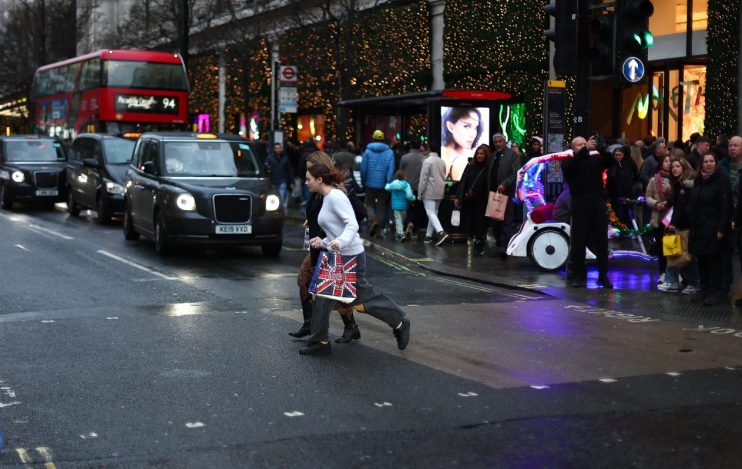
The Square Mile has reinvented itself in recent years, but West End politicians must stop blocking common sense if Oxford Street has a chance of mimicking the City’s success, says Andrew Teacher
Back when Netflix was still posting DVDs through letterboxes, the £6m Marble Arch Mound would have handed the writers of Brass Eye and The Thick of It a field day. The “tourist attraction” Westminster Council botched together in 2021 became a laughing stock within days, before the same Conservative administration quietly spent a further £660,000 tearing it down.
Now, having handed those same Conservatives back control of Westminster last month, common sense has again been sacrificed on the altar of local nimbyism as the Mound Man (leader Paul Swaddle) comes after Oxford Street. Having abandoned his judicial review threat on legal advice, Swaddle is still fighting to kill off the Mayor’s pedestrianisation plans for the street. They have the potential to restore its fortunes, helping make the street safer, more accessible and above all, more economically productive. Swaddle should listen to the many Tories privately sinking their heads in their hands and give it up. Playing party politics with London’s recovery helps no one. Surely tackling moped gangs and shoplifters is more important than rows over pavements and planters? Myopic thinking, infighting and political posturing have become national if not global diseases with politics. Brands with the power to speak up should use their voices carefully to do so.
The sorry saga sits in perfect contrast to the City’s recent revival. While it may lack the sweaty sordidness of West End’s theatres and music venues, it’s not short of drinking dens. And under the stewardship of the City Corporation, the Square Mile has been deliberately prised open beyond the nine-to-five. Tired offices are being turned into hotels and co-living, with iconic new developments now thriving in the shadows of St Paul’s and Bank. Tom Sleigh, the City’s fresh-faced planning chair, is the kind of pro-growth pragmatist London – nay the UK – needs. He pounds the streets with conviction for building and channelling in global investment – and he knows that this requires being collaborative, not combative.
The proof is in the numbers, with Knight Frank reporting London’s strongest year for office leasing since 2019. Under the reins of CIO John Mulqueen, a much-loved veteran of the London City offices, Canary Wharf has been increasingly snapping at the heels of everyone to its west wooing back many big banks.
The key thing is that there’s a spirited recognition of the economic weight the Square Mile shoulders. And while weekends once felt like the deserted London of 28 Days Later, City haunts now draw almost three times the footfall they did in 2021.
Who owns Oxford St?
The West End is in danger of taking all this for granted. Although it seems somehow immune to global crises, one challenge remains: Oxford Street’s fractured ownership. This is the very reason why Westminster council should support Oxford Street redevelopment; not waste public cash blocking it.
Oxford Street has never milked the benefits of single ownership enjoyed by surrounding areas meticulously managed by great estates like Grosvenor (Mayfair/Belgravia), the Crown Estate (Pall Mall, Regent Street), Howard de Walden (Marylebone), Shaftesbury Capital (Covent Garden) and Soho Estates. Splintered across dozens of freeholders, the sorry mix of shell companies and sweet shops has seen Oxford Street branded a “national disgrace” in some camps.
But with workers back at their desks and shopping more resilient than doom-mongers feared, the broken teeth of vacant units are largely filled. But it feels like the street – and its landlords – have clawed their way back in spite of local politics and an increasingly ham-fisted approach to business rates.
This is exactly why the Oxford Street Development Corporation set up last January matters. Sadiq Khan deserves credit for creating the steward the West End sorely needs. And with Scott Parsons, a much-loved veteran of listed property from Westfield and Landsec, as chairman, it’s in safe hands.
To the surprise of some of his critics, Khan’s pledge to defend bars from the Soho Society’s decision to oppose every new, as the Guardian reported, is welcome. But it shouldn’t be needed.
Ken Livingstone and Boris Johnson, polar political opposites, understood that a thriving London lifted everyone. They championed the place accordingly, as did Westminster’s legendary former leader Sir Simon Milton until his tragic passing in 2011.
Some politicians, though, would happily drag us back to the days of Blockbuster Video. Rather than blocking progress, their energy would be far better spent on homelessness or, heaven forbid, helping to make streets safer and more accessible. Like Oxford Street traffic in the near future, political posturers should just get out of the way.
Andrew Teacher is co-founder of Lauder Teacher