Seven things banks will be looking out for in 2024

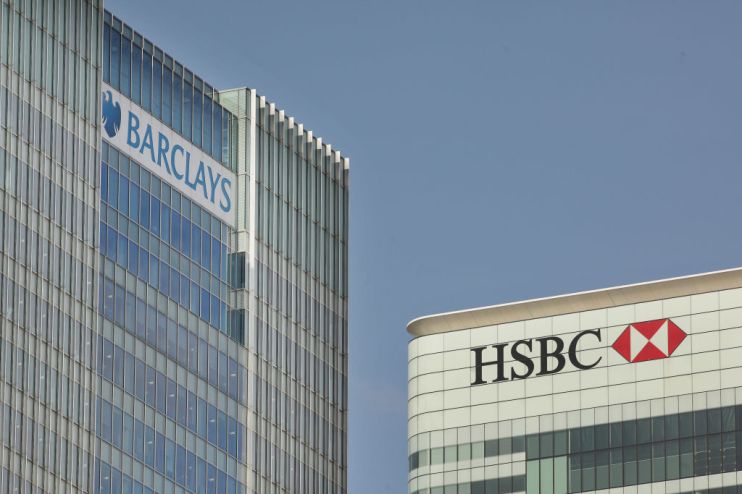
This year has been tough for banks, with poor share performances, scandal and margin pressures.
The outlook for 2024 remains challenging, as the focus turns to banks’ cost controls due to high interest rates becoming a burden, as well as a slew of regulatory changes.
David Postings, chief executive of banking trade body UK Finance, told CityAM: “Looking ahead to 2024, we must keep up the momentum across a wide range of regulatory reform, now underpinned by new growth and competitiveness objectives for the main regulators.
“The good news is the UK is in a position of strength in terms of the breadth and depth of our financial services sector. We need to build on this and work to ensure the UK is internationally competitive. The grass isn’t always greener for those who look elsewhere – our recent capital markets report showed the varied fortunes of UK companies who chose to list in the US, for example.”
From the government’s key policies to major reviews into the financial services sector, here are seven things banks are looking at for next year.
1. Future of Payments strategy
Chancellor Jeremy Hunt announced in his Autumn Statement last month that the Treasury plans to follow recommendations of a government-backed review calling for more competition in the payments market.
Former Nationwide boss Joe Garner’s Future of Payments review called for a “digital alternative” to Visa and Mastercard that would give retailers the choice to take payments without a card network.
Visa and Mastercard were responsible for 99 per cent of UK card payments in 2021, according to the Payment Systems Regulator, and the call for more competition has been welcomed by the sector.
The report also said open banking could speed up direct consumer-to-consumer transfers.
Hunt has also promised to repeal “prescriptive EU-derived payments authentication rules” and introduce new measures under guidance from the City regulator in what the government has branded as a post-Brexit fraud crackdown.
The Financial Conduct Authority’s review will focus on the £100 contactless payment cap, which has been in place since October 2021.
The government is set to publish a “National Payments Vision” next year, in line with the main recommendation of Garner’s review.
2. Labour financial services review
Labour created a panel of 10 City grandees earlier this month to advise the party on its review of the financial services sector.
Shadow City minister Tulip Siddiq wrote in CityAM that the council would help Labour work with the financial services sector, rather than introducing a “whole new set of rules”.
Figures working with Siddiq, party leader Sir Keir Starmer and shadow chancellor Rachel Reeves include Barclays chair Nigel Higgins, Abrdn chair Sir Douglas Flint and London Stock Exchange Group chief David Schwimmer.
However, bosses of mid-sized and specialist banks have reportedly slammed Siddiq for not including them in the review, criticising the party’s favouritism towards bigger lenders.
Labour is set to publish the panel’s final report in February, with its findings feeding into the party’s manifesto.
3. Spring Budget
With the prospect of a general election as soon as the spring, all eyes will be on Hunt’s budget on 6 March.
The Chancellor has opened the door to further tax cuts and is expected to look at income tax, as well as inheritance tax – in line with his party’s manifesto.
Some had expected an inheritance tax cut to be announced in the Autumn Statement, although opposition parties and some Tory MPs argued that it was not appropriate amid the cost of living crisis.
Mortgage experts criticised the Chancellor last month for not going far enough to help first-time homebuyers.
He extended the government’s mortgage guarantee scheme to June 2025, but critics argue it can only help a small portion of buyers, with most opting to save for a bigger deposit.
The City had wanted Hunt to scrap stamp duty in the Autumn Statement and will be hoping that he considers it in March.
With inflation and interest rates forecast to ease in 2024, the policy could become more attractive to the government.
4. Basel III
The Bank of England’s Prudential Regulatory Authority (PRA) is due to publish its second near-final policy statement on implementing Basel III capital rules in the UK in the second quarter of 2024.
It announced adjustments to the measures earlier this month, which it said would mean a “low” impact on UK banks, despite Wall Street warning the same framework could significantly weaken lenders in the US.
Under the PRA’s plans to impose the international rules, its aggregate tier one capital requirements for UK lenders would rise by three per cent – compared with a 16 per cent rise proposed for US banks.
UK regulators plan to implement the measures in July 2025 and fully phase them in by 2030.
Basel III, also known as Basel 3.1 in the UK, is expected to hit banks’ profitability while raising capital levels, stoking fears over a decline in the UK’s competitiveness.
It is the latest in a series of Basel Accords rolled out in the wake of the 2008 financial crisis, when many banks became overleveraged.
5. ‘Debanking’ inquiry
The Financial Conduct Authority (FCA) will publish its findings on how banks treat politically exposed persons (PEPs) by 29 June 2024.
The regulator is reviewing whether banks apply rules on PEPs too rigorously and if it needs to update its guidance.
The government last month changed the law to soften how British politicians are treated by lenders, with UK PEPs to be treated as “inherently lower risk” than overseas politicians.
Reports of unfair bank account closures have surged this year.
The issue of so-called “debanking” has received increased attention after Coutts, owned by Natwest, closed former Ukip leader Nigel Farage’s bank account in June partly due to his political views.
Natwest boss Dame Alison Rose resigned in July after admitting to discussing Farage’s account with the BBC.
Separately, the watchdog has found banks have not been systematically closing customer accounts for political reasons.
It said in September that “no firm closed an account between July 2022 and June 2023 primarily because of a customer’s political views”, with the most common reasons given for account closures being inactivity or concerns about financial crime.
Many politicians were sceptical of the FCA’s findings, suggesting that much more work needed to be done on the subject.
Farage has not let up, announcing in November that he would bring legal action against Natwest and try to start a class action lawsuit over the issue.
6. Consumer Duty
The Financial Conduct Authority’s flagship Consumer Duty came into effect on 31 July 2023 for new and existing products or services that are open to sale or renewal.
Described as one of the biggest regulatory shake-ups in years, it requires firms to deliver good outcomes for retail customers with regard to quality and price of goods and services.
On 31 July 2024, the duty will apply to closed products or services – those which are not sold to new customers or available for renewal by existing ones.
Banks have been mobilising significant resources to implement the rules, including wide-ranging IT system updates, staff training and reviews of current and closed book products, with some prominent bankers suggesting the new regulatory standards will prompt widespread changes in the industry.
7. APP fraud reimbursal
Big banks have voluntarily been refunding customers that fall victim to authorised push payment (APP) fraud since 2019.
Fraud makes up around 40 per cent of crime in England and Wales, and has surged this year, with Britons losing some £580m in the first half of 2023 alone.
New rules from the Payment Systems Regulator (PSR) set to come into force next year will hold sending and receiving firms equally liable for reimbursing victims in nearly all fraud cases.
The banking industry has criticised the measures, saying they do not place enough responsibility on social media platforms – where the majority of scams originate.
“One thing we cannot do at the PSR is to introduce a financial incentive on fraud origination. Social media and telecoms firms can (and should) no doubt do much more to prevent APP fraud,” said the regulator’s managing director, Chris Hemsley, earlier this month.
“That’s why I was pleased to see the publication of the UK’s Online Fraud Charter… These developments demonstrate an important step forward and I hope will raise standards of protection against fraud on social media and telecoms platforms.”
The rules must be implemented by the PSR by 31 October 2024.