Stamp duty on shares is ‘biggest handbrake’ says UK bank chief

The boss of a London-listed bank and former Labour party donor has called for stamp duty on shares to be ditched in the Autumn Budget to boost trading from retail investors.
Ian Corfield, the boss of Secure Trust Bank, told CityAM one of the firm’s “biggest challenges is trying to generate liquidity into the stock”.
The bank chief spent five months as the Treasury’s director of investment once Labour came to power in 2024, but stepped down following accusations of cronyism due to his past as a party donor.
“The biggest handbrake on this business is people having to pay tax when they’re buying a share,” Corfield said when asked what he would like to see come through in the forthcoming Budget.
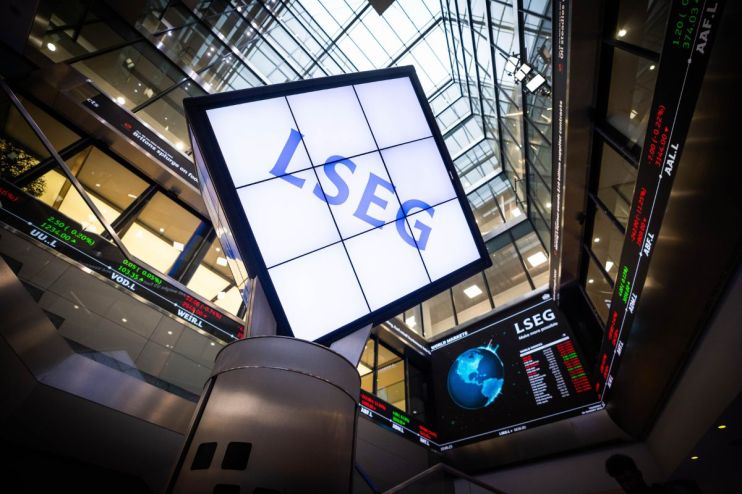
Secure Trust is listed on London’s main market with a valuation of around £300m. The stock has risen around 19 per cent in five years to 1,617.60p.
He described the 0.5 per cent levy on stock trading as a “blocker for retail investors”.
Ousted Chancellor Rachel Reeves introduced a three-year stamp duty holiday for new listings in her 2025 Budget.
But the move has failed to excite some of the top listing prospects in the financial sector.
The boss of banking software firm Thought Machine previously told CityAM, Reeves’ changes were not “big enough to really change anybody’s mind either for or against”.
New Chancellor, same issues

John Healey, who took over the Chancellor post after Andy Burnham seized the keys to Downing Street, is now facing renewed pressure to go further in improving the liquidity issues facing the London market.
Corfield said boosting retail investment would be “key” for UK wealth generation.
But the banking sector is also fighting off mounting calls for a fresh tax on the sector following the booming profits of industry giants in the first half of the year.
Campaigners have suggested a £19bn windfall tax could be raised from the coffers of Natwest, Lloyds, Barclays and HSBC alone. Secure Trust does not currently pay the three per cent banking surcharge on corporation tax, which applies to profits north of £100m.
Corfield said hiking tax on banks would be “inappropriate”. He added: “Ultimately interest rates go up and down, I suspect when we’re in a different interest rate environment, we won’t be talking about tax cuts for those banks.”
The comments came as Secure Trust posted a £31.3m profit for the first half of the year, up 9.4 per cent. This was excluding the £11.9m gain on the sale of its unprofitable vehicle finance portfolio. The bank is on the hook for £21m in provisions as part of the Financial Conduct Authority’s redress scheme covering ‘secret’ commission deals in the market.
The group’s loan book expanded 4.9 per cent in the period to £3.5bn, driven by demand in its retail finance and business finance arms. Its CET1 ratio – a measure of a bank’s financial strength – swelled to 14.3 per cent from 12.9 per cent, freeing up extra capital for the firm.
Corfield said the bank would “remain a simplified business focused on retail finance and business finance.”
“You’re not going to see me standing up saying we’re making some leap into the unknown,” he added.
Secure Trust completed the first half of a £10m buyback in the first half of the year and hiked its dividend 5.1 per cent to 12.4p per share.