
What is the “just transition” and why does it matter for investors?

You’ve probably heard of the concept of a just transition in relation to climate change, but what does it actually mean?
The transition to a low-carbon world is gaining momentum with a dramatic increase in the number of countries and companies that have made commitments to transition their activities to net zero. Around 90% of GDP is now covered by a net zero commitment, according to data from the Organisation for Economic Co-operation and Development.
However, the action needed to back up these commitments is lagging. It is estimated that while commitments equate to a 2.1ºC temperature rise above pre-industrial levels, real world policies and action are aligned with 2.7ºC rise[2].
Accelerating the pace of tangible action is key to meeting the goal of the Paris Agreement to hold global average temperature increase to “well below 2°C above preindustrial levels and pursuing efforts to limit the temperature increase to 1.5°C above pre-industrial levels”.
But it is important not just to look at whether countries and companies are taking action to transition to net zero, but how they are doing so.
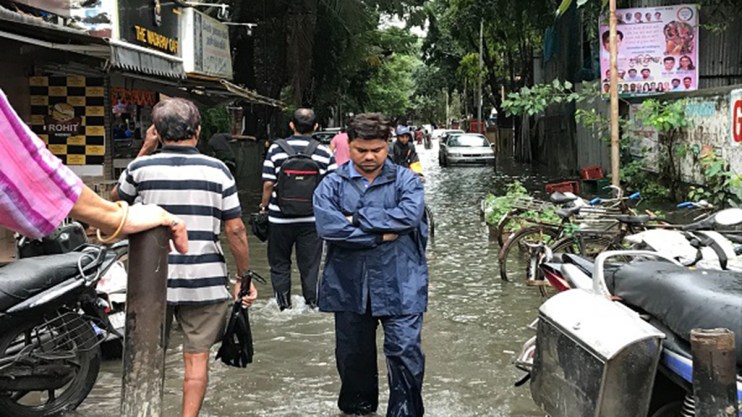
Climate change does not affect us all equally. The Arctic will continue to see temperatures rise more rapidly. Regions already facing extreme monsoon seasons will see increased rainfall, while drier areas like southern Asia will see lower rainfall[3].
The result is that the physical effects of climate change are likely to exacerbate inequality, with the global south feeling the brunt, having typically contributed the least to the issue.
Furthermore, different regions and parts of society have different levels of preparedness for climate change. For example, typically emerging and frontier markets have lower levels of insurance coverage for climate events, while also being reliant on climate-vulnerable sectors, such as agriculture.
This can also have impacts on a demographic level, with women making up more of the global poor, while also facing greater social and economic barriers which can impact their resilience to climate challenges[4]. This is not just an emerging markets issue; the transition can impact stakeholders in a variety of regions and sectors.
Read more about the uneven effects of climate change on the global economy
Read more about the just transition in North America
As we transition to a more sustainable future, the effects will not be felt equally. For example:
- Countries, regions and sectors that rely heavily on high-emitting activities for economic growth are likely to be adversely affected by a transition
- The structure of every economy, and its employment profile, will need to change, leaving huge numbers of people unskilled for the jobs that will be created
- Inflation – particularly of basic necessities – will likely rise significantly, disproportionately affecting low-income households, putting them under pressure and potentially prompting a rise in populism
Read more about how the transition will affect the labour market here
Understanding social impacts is crucial to building a fuller picture of the impact of climate change on societies, economies and investments across the globe.
The just transition is the principle of mitigating the socio-economic impacts of a transition on all stakeholders and areas of society. It is about aiming to reduce inequalities that can be intensified by a transition and giving a voice to those most impacted.
Why is the just transition relevant for investors?
At Schroders, we believe that considering a company’s relationship with all its stakeholders (employees, suppliers, customers, regulators, shareholders, local communities, and the environment) is key to understanding the durability of its business model and long-term profitability.
While a company may be able to neglect one or multiple stakeholder groups in the short term, this is likely to impact profitability in the long term. Maintaining strong relationships with, and listening to the inputs of, all stakeholders is important to its long-term success.
Climate change, and the need to rapidly reduce emissions, can often dominate sustainability discussions with more companies, countries, cities and regions committing to net zero targets to limit long-run temperature rises.
However, its important that in the process of delivering those ambitions, they do not neglect or undermine the positions of the other stakeholders on which their business models rest. Companies will gain little by delivering a climate transition but undermining the stakeholders on which they rely.
Those just transition principles are not just relevant in a company context. At a country level, an “unjust” transition could perpetrate inequalities and impact global growth and wellbeing.
It is estimated that on average a 1% increase in inequality lowers GDP by 0.6% to 1.1%[1]. As in the company context, a just transition is not just a fair and equitable approach to climate goals, it is also the right way to ensure that transition is rewarding for the companies and countries going on that journey.
How is Schroders thinking about the just transition in practice?
We recognise that in transitioning to a sustainable economy we must ensure that the benefits are shared widely, reducing inequality and ensuring we protect those people at risk of being left behind.
Failure to ensure the transition is just is likely to threaten delivery of the transition we desperately need. For example, through the failure of emerging economies to take action if unsupported or through the social backlash from growing inequalities in all societies.
Importantly, this cannot be a “one-size-fits-all” approach; local context is key.
A just transition investment strategy may be different depending on the market, region or sector in question.
Investing for a just transition
Overall, this means investing, engaging and funding a just transition.
Investing:
- This means ensuring our investment analysis includes the impact of the transition on key stakeholders, including employees, suppliers, customers and wider society.
- Stakeholder analysis has formed the basis of the development of our suite of proprietary tools.
Engaging:
- This means encouraging companies to adequately consider and mitigate the impact of their transition plans on stakeholders and wider society.
- We believe that engaging with companies is key to driving progress towards a more sustainable and Just future.
- In 2022, we published our which sets out our vision for active ownership and our six priority active ownership themes. For each of these themes, we outlined our expectations and asks of our investee companies. For our climate theme, we expect companies to identify the social impacts of their transition plans on workers, customers, communities, and suppliers and outline how they plan to consult and support impacted stakeholders. The long-term desired outcome is for companies to support workers, communities, suppliers and consumers impacted by a rapid transition to a low-carbon economy.
- Setting expectations of companies is just the first step. Evaluating progress is key to ensure real change. We have a robust Climate Escalation and Engagement Framework which outlines how we will escalate engagements where we do not see the desired progress, which includes the consideration of stakeholders. Read our Climate Transition Action Plan here.
Funding:
- This means creating new products that help move capital towards areas that need the most support.
- At its core, the just transition is about ensuring no one is left behind as we move to a low-carbon world, and that negative impacts on stakeholders are mitigated. Climate risk affects all investments and we believe the just transition needs to be considered across all portfolios. We also recognise the need to allocate capital to areas that need the most support and we are committed to offering strategies to clients which are focused on supporting a just transition and mitigating the impact of climate change on the most vulnerable communities.
Sources:
[1] Net Zero Tracker, https://www.zerotracker.net/analysis/post-cop26-snapshot/ as at February 2022.
[2] Climate Action Tracker
[3] IPCC, Schroders.
[5] https://www.oecd.org/economy/growth-and-inequality-close-relationship