Skip to content
CityAM
Main navigation
  • News
    • News
      • Latest Business News
      • Economics
      • Politics
      • Tech
      • Banking
      • FTSE 100 Live
      • Retail
      • Insurance
      • Legal
      • Property
      • Transport
      • Markets
    • From our partners
      • AON
      • Bayes Business School
      • Canada BIDs
      • Central London Alliance CIC
      • Destination City
      • Halkin
      • Olympia
      • Inside Saudi
      • Tottenham Hotspur Stadium
      • Santander X
      • YEAR SIX Dividend
    • Featured

      ‘Very concerned’: City watchdog scolds motor finance lenders over £9bn redress scheme

      FCA sign

      Submit a story

      Tell us your story.

      Submit
  • Opinion
  • Sport
    • Latest Sports News
      • Sport
      • Sport Business
    • From our partners
      • The Morning Briefing: SBS x CityAM
      • Aramco Team Series
      • LIV Golf
    • Featured

      Dallas, Boston, New York New Jersey: Inside England’s Fifa World Cup stadiums

      Getty Images logo against a sleek, modern background, representing the influence of media in the business world

      Submit a story

      Tell us your story.

      Submit
  • Life&Style
    • Life&Style
      • Life&Style
      • Toast the City Awards
      • The Magazine
      • Travel
      • Culture
      • Motoring
      • Wellness
      • The RED BULLETiN
      • Do it with Shared Ownership
      • Media Speak Hub
    • Featured

      Glengarry Glen Ross at the Old Vic fails to close

      Glengarry Glen Ross production at Old Vic Theatre showcasing intense business negotiations and dramatic performances

      Submit a story

      Tell us your story.

      Submit
  • Investec
  • Events
  • Latest Paper
Monday 13 May 2024 6:59 am  |  Updated:  Sunday 12 May 2024 5:00 pm

Why arguing against prize money for Olympic athletes is irrational and outdated

By: Matt Readman

Add as a preferred source on Google
Abrahams Wins
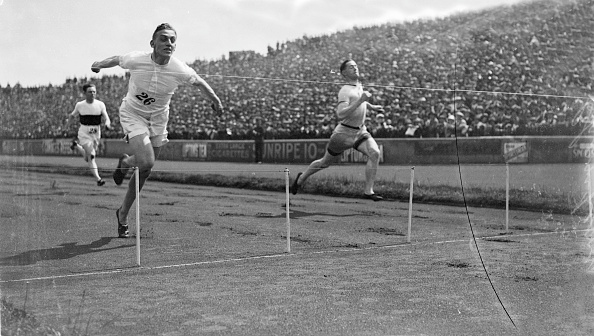
1924: British sprinter Harold Abrahams crosses the finish line to win the 100 yards race at the AAA Championships. Harold Abrahams (1899 - 1978) the 1924 Paris Olympic 100 metres champion whose feat was later immortalised in the film Chariots of Fire (1981). (Photo by Central Press/Getty Images)

The idea that Olympic athletes shouldn’t receive a fair share of revenue because of moral and quasi-religious beliefs engrained more than a century ago is bizarre, argues Matt Readman.

The 33rd Summer Olympic Games will be the very first to include prize money after Lord Coe, the president of World Athletics, made the decision to award track and field athletes $50,000 for winning gold. 

By modern sporting standards the size of the prize is not significant, but the giving of it certainly is. Make no mistake; this is the beginning, not the end, of the matter. It’s hard to see how other Olympic federations won’t be forced to follow suit and is probably why many have responded so angrily.

They are not the only ones who’ll line up against this move. You yourself might feel uneasy at the idea of Olympians being paid. 

In sport there is an irrational belief that if you’re paid to compete it somehow matters less. I say irrational because we don’t hold those standards to other professions. Knowing a doctor is being paid doesn’t affect your trust in their attentiveness – in fact the opposite is probably true. So where does this righteousness come from with sport?

If you’re thinking it hails back to Ancient Greece and Mount Olympus then you’re mistaken (or at least partly). It’s true that in the Ancient Olympics athletes competed for honour and a laurel wreath but this was not the norm for other Games. 

The term athlete literally comes from the Greek words “athlos”, meaning “contest”, and “athlon”, meaning “prize.” Not only did Greek athletes win trophies and wealth but some even had sponsors and agents. 

The real reason for this belief lies much closer to home. In fact, it was on show the last time Paris hosted the Games 100 years ago. 

Those who remember Hugh Hudson’s Oscar-winning Chariots of Fire may also be aware of both the strong Christian and class values surrounding the Olympics at this time. Famously, in 1924 sprinter Eric Liddell refused to run on the Sabbath, but the entire Olympic movement was then still heavily influenced by the “Muscular Christian” values of its founder Pierre de Coubertin. 

The modern Games were a celebration of morality as much as physicality. A core principle of this moral code was the idea of the amateur athlete and a fierce stance against any form of professionalism.

But the concept of an amateur athlete is inherently paradoxical. As mentioned, athlete means to contest for a prize, whereas the etymology of “amateur” relates to a love of doing something. 

Read more

Kane and Rice sign wearable tech deals ahead of World Cup

Breaking news concept with digital world map and technology icons, highlighting global communication and connectivity trends

What’s stranger still is that this amateur ethic lingers on today. After all, we don’t see many other Victorian values as relevant in 2024.

Not only is the amateur athlete contradictory and archaic but it also has strong religious connotations. The connection between piety and poverty is a specifically Christian trope, not one of pagan Ancient Greece. 

The Olympics is not the only sporting event where the amateur athlete still exists or where money causes contention. College sports in the US and the Ryder Cup are two other famous examples where it’s argued that the absence of money makes the events more unique or special. 

When athletes like Patrick Cantlay at the Ryder Cup question not being paid, they are pilloried and seen as somehow debasing the whole event. Yet if we remove the Victorian-tinted glasses, these are all straightforward examples of athlete exploitation. 

Cantlay’s argument quite simply was that people are profiting hugely from his skill without any personal remuneration. His point is that if you want the event to be amateur, make the whole thing amateur: sell tickets at cost, have no corporate sponsors or broadcast deals.
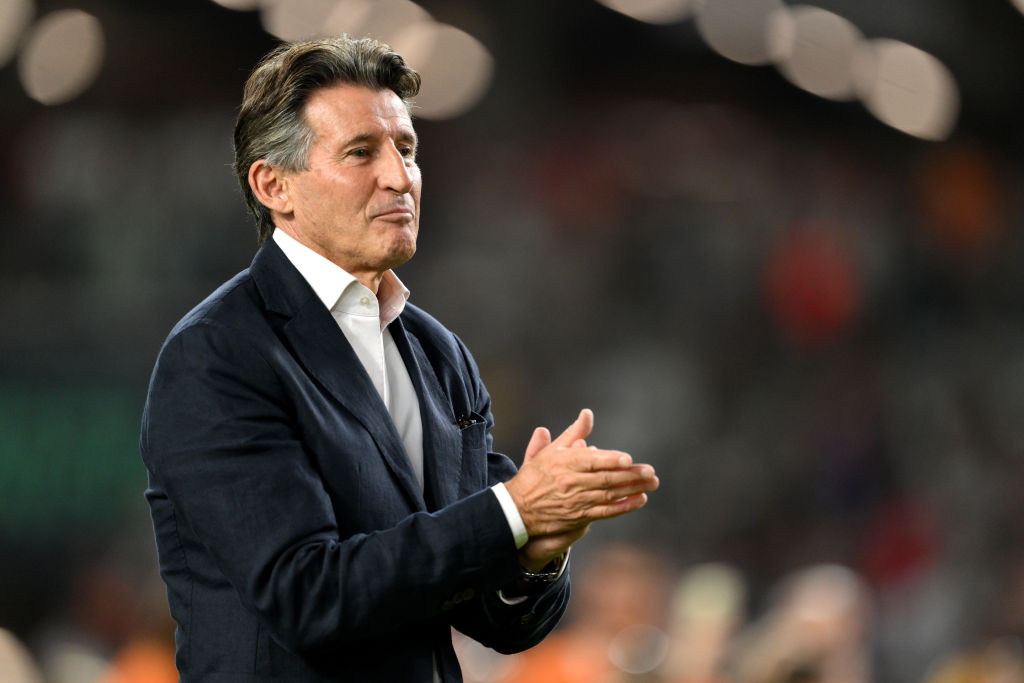
World Athletics boss Seb Coe has sparked the debate about prize money for Olympic athletes

The same argument can be laid at the gates of the International Olympic Committee headquarters in Lausanne. 

The IOC executive management team were reportedly paid $13.95m in 2022. Meanwhile, the Paris Olympics has a revenue target of €1.24bn. There have already been criticisms of high ticket prices from locals in Paris. 

The idea that athletes shouldn’t receive a fair share of revenue because of moral and quasi-religious beliefs engrained more than a century ago is bizarre.

As a sports fan, I do get it. I even need to check myself because I do occasionally feel an instinctive resentment for athletes who quibble over prize money. But that just goes to show how deeply this code is engrained. 

It’s time for the rational brain to take over. These are not the beliefs of a modern, diverse and multi-ethnic society. These are the values of dusty old men consigned to the pages of history. The Olympics will be better not worse for offering fair rewards; it’s time for them to pay up. 

Matt Readman is chief strategy officer at sports creative agency Dark Horses.

Read more

ŌURA Signs England Football Legends Harry Kane and Declan Rice as Global Brand Ambassadors

Share this article

  • Facebook
  • X
  • LinkedIn
  • WhatsApp
  • Email

Similarly tagged content:

Sections

  • Sport

Categories

  • Sport Business

People & Organisations

  • paris 2024 olympics
  • Patrick Cantlay
  • Seb Coe

Related Topics

  • Olympic Sport
  • Paris 2024 Olympics and Paralympics
  • Sport business
  • Sports money

Trending Articles

  • Who could be Andy Burnham’s Chancellor? 

  • As it happened: FTSE 100 finishes higher as US-Iran talks progress and Starmer resigns; Space X shares fall after bond sale

  • Starmer will resign, Trump says

  • Kaleb Cooper: Brits don’t care about the price of milk 

  • Iran to close Strait of Hormuz as Trump threatens toll

More from CityAM

  • Kane and Rice sign wearable tech deals ahead of World Cup

    Sport Business
    Breaking news concept with digital world map and technology icons, highlighting global communication and connectivity trends
  • ŌURA Signs England Football Legends Harry Kane and Declan Rice as Global Brand Ambassadors

    Business Wire
  • UK Government warns Joe Joyce against travelling to Russia for Moscow fight

    Sport Business
    Getty Images logo on a digital screen, representing business and media industry in a professional news setting
  • Give me home Euros over World Cup, but is it really worth £557m of taxpayers’ money?

    Sport Business
    Business professionals discussing strategy in a modern office, highlighting teamwork and collaboration in a corporate setting
  • Why Williams sisters return to SW19 is a win for Wimbledon brand

    Sport Business
    Business professionals in a modern office discussing strategy with digital charts displayed on a large screen in the backg...
  • Exclusive: Eilish McColgan joins performance nutrition brand Science in Sport

    Sport Business
    SIS EM 013 showcasing dynamic business environment with professionals engaging in strategic discussions at a conference table
  • Wimbledon hikes prize money but refuses to bow to tennis stars’ demands

    Sport Business
    Getty Images logo on a business news website, showcasing media branding and editorial content integration
  • People named Mark called upon to raise money at London charity golf day

    Sport Business
    Breaking news concept with digital globe and newspaper headlines on a blue background, representing global journalism.

CityAM Canada — business, markets and opinion for Canadian readers.

Sections

  • Business
  • Markets
  • Tech
  • AI
  • Economics
  • Opinion
  • Cities

Company

  • About
  • Contact

Legal

  • Terms of Use
  • Privacy Policy
  • Cookie Policy
© 2026 CityAM Canada. All rights reserved.
Terms · Privacy · Cookies