Ed Warner: Soft power and sport – why do they do that?

To the Guildhall for the launch of EY’s study of soft power and major sporting events, commissioned by Canada and UK Sport.
The publication was timely, coinciding with the findings of the inquiry into the chaos at the Euro 2020 final at Wembley which tarnished Britain’s hosting credentials, as well as the WTA pulling its tennis events from China over concern for the wellbeing of player Peng Shuai. Days later, the United States announced a diplomatic boycott of the Beijing 2022 Winter Olympics, citing the persecution of Muslim Uyghurs.
All of which highlight the reputational risks associated with using sports events as a means of gaining influence on the world stage.
The term “soft power” makes my palms itch. It has rather sinister connotations which transcend simple “diplomacy’. Hats off though to Canada and UK Sport for their willingness to be so frank about the ambitions that lie behind sport hosting.
In true accountancy fashion, EY has gone as far as quantifying the potential soft power, investment and trade prize on the table for Great Britain from the sports events that might be on these shores over the next decade: £4bn. That’s on top of £6bn of direct economic impact.
I’ve always taken a rather simple view of major sports events. I want them here to give British fans the chance to watch great sport live, in the flesh. And to gain home team advantage. These together though aren’t enough to unlock the public purse. So if the EY model helps tip politicians into funding bids to host events, then it’s really served a purpose.
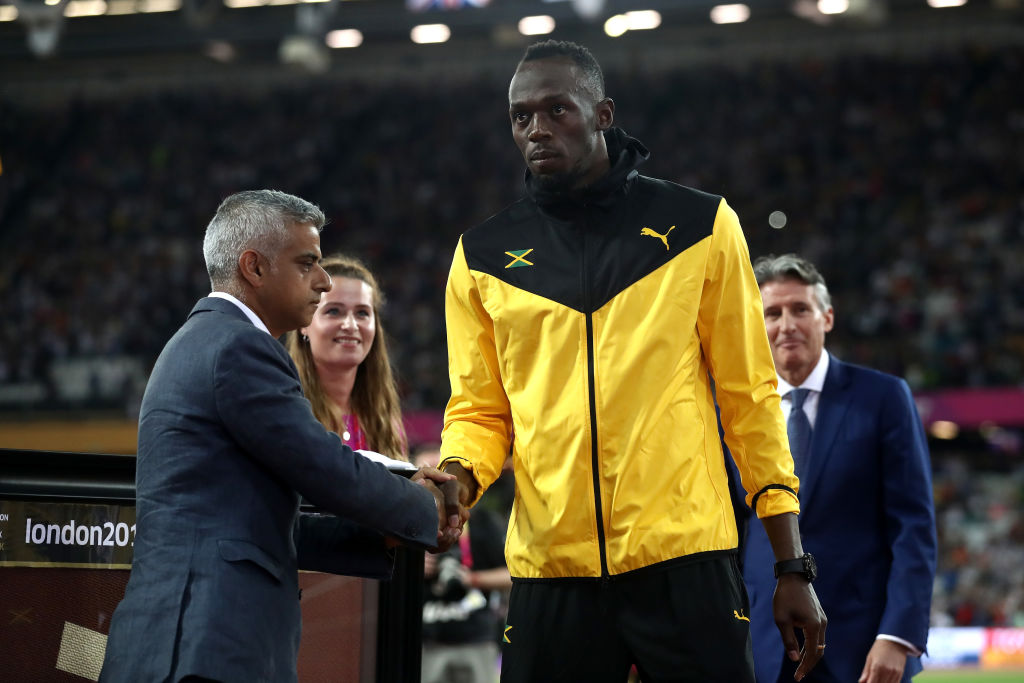
I chaired the 2017 World Athletics Championships in London. Mayor Boris Johnson backed the bid; his successor Sadiq Khan spoke at the opening ceremony. Throughout the process their staff were clear that London didn’t need the event for any economic reason – the city was full of tourists anyway. Their interest was entirely about image – one suspects personally as well as for London on the global stage.
Little was done, then, to leverage the championships, aside from an international outreach programme to tutor athletics coaches in the developing world. Any soft power gains will have been ad hoc.
EY argues that Australia is the pioneer in sports diplomacy while France is fast developing its capabilities. With UK Sport channelling public investment into major events, an ad hoc approach to soft power clearly won’t be sufficient in future, however much one’s palms might itch.
An amusing nugget in the EY study: “Several consultations found that diplomacy can be progressed in the corridors within stadiums… There are therefore benefits in ensuring that the ‘right’ personnel are sent to overseas events.”
I love the inverted commas. Where can I apply for that corridor gig?
Why do they do that? #2
What on earth was going through the minds of the directors of Kingspan when they were pitched the idea of sponsoring a Formula 1 team?
Mercedes was instantly, roundly criticised for its part in a deal which has been scrapped within a week. Lewis Hamilton even distanced himself from the Kingspan name that appeared for the first time on the nose cone of his car at last weekend’s wacky race in Saudi Arabia. With the superstar speaking out, it’s no wonder the partnership cratered.
The Irish building materials group is under the considerable cloud of the public inquiry into the Grenfell Tower fire that killed 72 people in 2017. One of its products formed part of the building’s insulation.
“Unfortunately my name is associated with it because it has been on my car, but whether that remains the same, we will see,” Hamilton said before the Saudi GP.
Kingspan is not a consumer-facing business. It doesn’t need name recognition among the world’s millions of petrolheads for it to grow. Whatever the outcome of the Grenfell inquiry, however, it does have an image problem. The Mercedes sponsorship appeared a crass way to try and address it which swiftly backfired.
Press releases from both Mercedes and Kingspan trumpeted future collaboration on research into sustainability. But you can be sure that money was flowing in only one direction in this cancelled arrangement.
In recent years the technology embedded in Formula 1 teams has proven a significant attraction to firms in other industries. But slapping a logo on a car isn’t a necessary precondition to buying access to F1 knowhow.
Kingspan shares are traded on the London Stock Exchange. They have risen fivefold since the Grenfell Tower fire. Sometimes share prices can give executives a false indication of a company’s public standing. Just saying.
Why do they do that? #3
Lamine Diack, the disgraced former president of athletics’ governing body, died last week. Not in a French prison after his conviction last year on corruption charges, but on bail at home in Senegal because of his ill health.
One reporter called me to ask if I had any stories of Diack that could now be told after his demise. A strange request.
I prefer to remember the fawning sycophancy that surrounded Diack wherever he went than the man himself. It was always nauseating to behold at the time, well before his taking bribes to cover up Russian doping in athletics became apparent.
Why remember it? Because the willingness of otherwise sensible people to bow and scrape before the head of an international sporting body, who clearly saw the sport as a lavish family meal-ticket, stands as a stark reminder of the risk of despotism inherent in many governance structures.
A system of one nation, one vote creates the opportunity for largesse at the whim of the incumbent president to lock up an electorate dominated by small and/or poor nations. It is very rare for a sitting president in any sport to be challenged when elections come round – Brian Cookson’s crushing defeat in 2017 after only a single term as president of cycling’s UCI is the leading exception to this unwritten rule. Diack ruled athletics for 16 years.
All sporting bodies should contemplate reducing the number and length of terms its leaders can enjoy.
World Athletics’ articles now allow a president to sit for three terms of four years. Diack’s successor, Seb Coe, is halfway through his second term. He tightened up governance and cleared out the stables in his first term, installing fresh executive leadership that is now reversing the sport’s declining fortunes in his second.
Perhaps the greatest legacy Coe could bestow would be to hand on the baton at the end of his eighth year. Such a selfless statement would constitute the final decisive break from the murky ways of the past and truly ensure the prestige of the presidency.