Skip to content
CityAM
Main navigation
  • News
    • News
      • Latest Business News
      • Economics
      • Politics
      • Tech
      • Banking
      • FTSE 100 Live
      • Retail
      • Insurance
      • Legal
      • Property
      • Transport
      • Markets
    • From our partners
      • AON
      • Bayes Business School
      • Canada BIDs
      • Central London Alliance CIC
      • Destination City
      • Halkin
      • Olympia
      • Inside Saudi
      • Tottenham Hotspur Stadium
      • Santander X
      • YEAR SIX Dividend
    • Featured

      The next person to shop your store may not be a person at all

      AI shopping agents are rewriting the rules of online retail across North America

      Submit a story

      Tell us your story.

      Submit
  • Opinion
  • Sport
    • Latest Sports News
      • Sport
      • Sport Business
    • From our partners
      • The Morning Briefing: SBS x CityAM
      • Aramco Team Series
      • LIV Golf
    • Featured

      Cohere's Aidan Gomez bets the house on 'sovereign AI' with Aleph Alpha merger valuing the group at $20bn

      Cohere CEO Aidan Gomez on stage discussing the Toronto AI lab's strategy

      Submit a story

      Tell us your story.

      Submit
  • Life&Style
    • Life&Style
      • Life&Style
      • Toast the City Awards
      • The Magazine
      • Travel
      • Culture
      • Motoring
      • Wellness
      • The RED BULLETiN
      • Do it with Shared Ownership
      • Media Speak Hub
    • Featured

      Moonvalley's Naeem Talukdar is selling Hollywood the one thing rival AI video tools cannot: legal cover

      Moonvalley's Marey AI video model produces Hollywood-grade footage trained on licensed data

      Submit a story

      Tell us your story.

      Submit
  • Investec
  • Events
  • Latest Paper
Thursday 20 June 2024 7:03 am  |  Updated:  Thursday 20 June 2024 11:39 am

Will it work? GB Energy

By: Sam Fowles

Add as a preferred source on Google
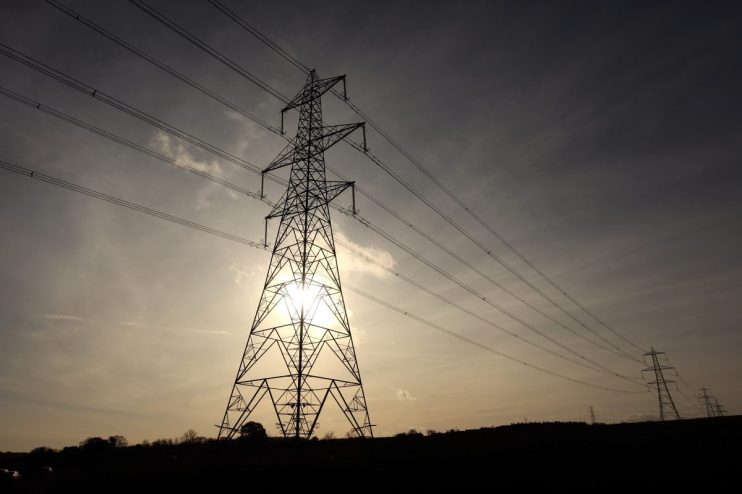
CAMBRIDGE, UNITED KINGDOM - NOVEMBER 19: (Photo by Oli Scarff/Getty Images)
(Photo by Oli Scarff/Getty Images)

It’s election season. Politicians are giving us a barrage of policies. But we often forget to ask the most important question: will they actually work? In this column Sam Fowles takes policies on their own terms and asks whether they solve the problem they’re supposed to solve. This week: Labour’s green investment plan.

What’s the plan?

Labour proposes £8.3bn for a new energy investment vehicle, “Great British Energy”, which will partner with the private sector to deliver green energy projects. This will be paired with a £7.3bn green investment strategy. Simultaneously, the party promises to “rewire Britain” by expanding the National Grid, along with various smaller measures, such as funding for insulating homes.

Finally, some ambition! Regular readers will know I often criticise policies for tokenism. Labour’s green growth strategy, however, looks genuinely radical (to see a potential government talking positively about an “industrial strategy” warms my little Keynesian heart).

Reasons to get excited

The plan gets three important things right. First, it tackles net zero as an opportunity rather than a burden. The plan aims to simultaneously enhance energy independence and (consequently) security, bring down prices, provide a much-needed economic stimulus and hit net zero by 2030.

Second, it recognises that the state needs to lead in this area. Energy has never been a free market. Since 2015 the government has pumped at least £140bn in subsidies into the sector. The bulk of these go to fossil fuels (in addition picking up the tab for fossil fuel’s externalities, worth at least £11bn per year). If subsidy is inevitable, it should be targeted better. State investment in green energy will reduce upfront costs of financing new green projects, allow them to stay the course when they hit snags and facilitate a strategic approach to green investment. Labour’s plan might finally allow renewables to compete with fossil fuels on something like even terms.

Third, it treats the challenge with a package of interconnected measures. There’s no point investing in new green projects if the National Grid isn’t upgraded. Currently projects are waiting up to 10 years for a grid connection, potentially locking £200bn of private investment out of the market. This forces developers to choose sites based on where there is an existing grid connection rather than where they are most appropriate. This generates tensions with local communities, reduces buy-in for net zero and means essential projects are refused planning permission.

Cause for concern

If Labour’s plan is to work, the industry needs to play ball. The energy industry has a history of taking supply-side boons (like falls in wholesale prices) and pocketing the profits, rather than passing the benefits on to consumers. The plan has little value if the benefits just end up in the pockets of energy shareholders. Labour may need to reform the energy price cap to ensure the benefits of the scheme filter through into the wider economy.

Does it add up?

Potentially. The plan is ostensibly funded by closing loopholes in the windfall tax on oil and gas. Given it’s mostly stimulus and investment, there would also be a case for funding it through borrowing. The question remains, however, whether the plan will generate the impacts it promises. The investment strategy relies heavily on private sector buy-in, with a target of raising three times as much private investment as the government puts in. Even if this is achieved, the total package only amounts to around £80bn over the course of the next parliament (depending on how it is calculated). It’s estimated that, to break out of the current stagnation, the government needs to generate nearly that amount of investment every year.

How does it score?

  • Electoral appeal: 3/5
  • Value for money: 4/5
  • Effectiveness: 3/5
  • Originality: 4/5
Overall: 14/20

VERDICT: It’s (at least the shape of) the right solution to the right problem. But, unless the private sector rides in to save the day, it might sink without a trace.

Read more

Starmer overrules Miliband on electric car sales targets as he looks to appease automotive industry

Ed Miliband and Keir Starmer discussing wind energy policy at a press conference, highlighting renewable energy initiatives.

Share this article

  • Facebook
  • X
  • LinkedIn
  • WhatsApp
  • Email

Similarly tagged content:

Sections

  • Opinion

Categories

  • Opinion

People & Organisations

  • Energy
  • ESG
  • GB Energy
  • general election 2024
  • Labour
  • net zero
  • renewable energy
  • Will it Work

Related Topics

  • Energy
  • General Election 2024
  • Labour Party

Trending Articles

  • As it happened: FTSE 100 relief rally runs out of steam as BP and Shell weigh; Oil hits three-month low

  • London Tech Week sums up everything wrong with UK tech

  • Rolls-Royce shares surge as SMR unit bags multi-billion pound Swedish nuclear contract

  • KPMG’s Summer Friday half-day rollback signals deeper woes for Big Four giants

  • Inflation expectations at record high in interest rates signal

More from CityAM

  • Starmer overrules Miliband on electric car sales targets as he looks to appease automotive industry

    Energy
    Ed Miliband and Keir Starmer discussing wind energy policy at a press conference, highlighting renewable energy initiatives.
  • Investment firms anticipate surge in renewable energy spending

    Energy
    Battery storage sites are seen as crucial to supporting renewable energy.
  • Drill baby brill: Why the UK must develop it’s North Sea oil fields

    Opinion
    North Sea oil terminal with storage tanks and docking facilities under a clear sky, highlighting energy infrastructure.
  • Sparking interest: Could utilities stocks power your portfolio?

    Investing
    National Grid overhead line refurbishment highlights utility sectors role in stable FTSE 100 performance
  • ZayZoon, the Calgary fintech born on a fishing boat, posts 1,487% growth as earned wage access goes mainstream

    ZayZoon co-founder Tate Hackert built the Calgary fintech around earned wage access
  • ‘Enough to keep investors interested’: SSE charges up UK investment

    Markets
    A general view shows pylons and Ferrybridge C power station, owned by energy company SSE, which is set to stop generating and close in March 2016, near Knottingley, northern England, on May 24, 2015. The coal-fired powerstation went online in 1966. AFP PHOTO / OLI SCARFF (Photo credit should read OLI SCARFF/AFP/Getty Images)
  • Botpress raises $25m as Quebec's Sylvain Perron pitches his startup as the 'infrastructure layer' for AI agents

    Botpress product UI: the Quebec startup pitches itself as the infrastructure layer for enterprise AI agents
  • FluidAI wins US FDA clearance for its surgical monitor as Waterloo's Youssef Helwa targets 100,000 operations

    FluidAI's Origin surgical monitor wins FDA clearance for use in US hospitals
  • Terms & Conditions
  • Privacy Policy
  • Cookie Policy
  • News
  • Markets & Economics
  • Politics
  • Opinion
  • Life&Style
  • Personal Finance

Follow us for breaking news and latest updates

  • Facebook
  • X
  • Instagram
  • LinkedIn
Copyright 2026 CityAM Limited