The FTSE 100’s good year masks a much deeper problem


The FTSE 100 has had a good year by recent standards. Up nearly 16 per cent, it has outperformed the S&P 500, Nasdaq, Stoxx 600 and Paris’s Cac. What’s more, three new listings in October even suggested that a well-documented dearth of IPOs was coming to an end. But a look below the surface shows things aren’t as rosy as they seem, says Ali Lyon.
The final week of October was meant to be a good one for those concerned with the health of London’s stock market.
After years locked in an attritional battle to coax ambitious firms to its shores, the beleaguered exchange served up a feast to UK investors: two market debuts in as many days.
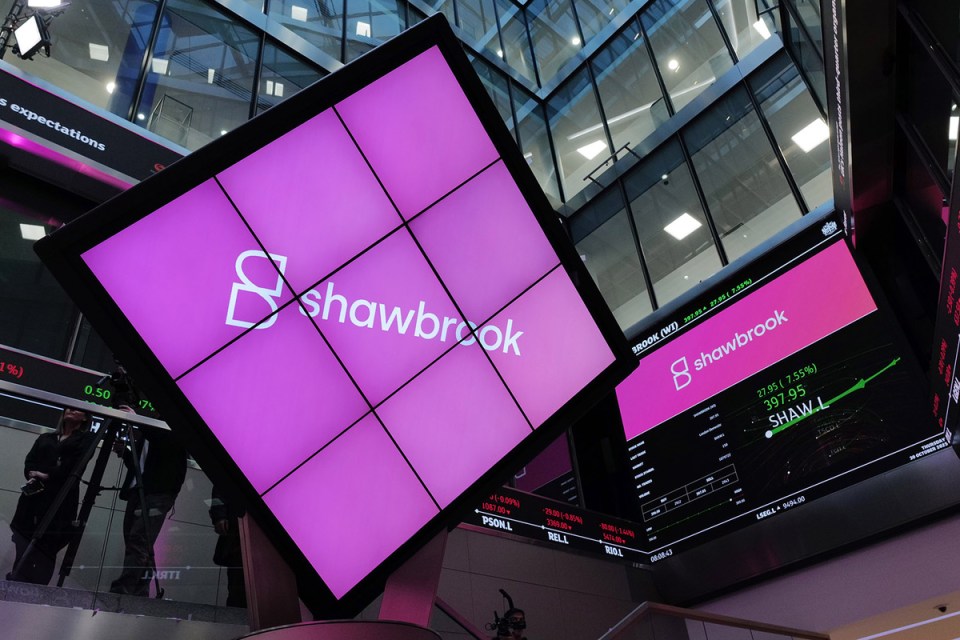
First, there was Shawbrook, a mid-sized bank with a forte in lending to small and medium-sized firms. And if that wasn’t enough, just a day later stockpickers were able to gorge on the £1.2bn tinned tuna giant Princes, whose £420m capital raise was London’s largest in four years.
The IPOs, which together with the earlier dual listing of energy start-up Fermi and the smaller debut of Beauty Tech Group, were hailed by the Square Mile’s dwindling glass-half-full contingent as a sign that London’s long-suffering bourse was turning a corner. Aided by a string of fresh FTSE 100 highs at the beginning of autumn, 2026 would, the optimists hoped, bring improved fortunes for Britain’s depleted capital markets.
But life as a listed company – particularly on an exchange that in 20 years has returned to investors less than half the amount of money they would have made in the US – can be a humbling one. And as we approach the final month of the year, neither Shawbrook, Princes, Fermi nor the Greek energy giant Metlen, have made particularly auspicious starts to their time in the capital.
Floating, then sinking
Over a period when the valuations of the UK’s largest listed banks have gained between five and 10 per cent, Shawbrook is down nearly seven. Shares in Princes, meanwhile, are worth 10 per cent less than they were on their Halloween debut.
Things have been even worse for the Texan data centre energy giant Fermi, which listed to great fanfare in both London and New York at the start of October. Compounded by a global investor reevaluation of the AI boom’s more exorbitant corners – its market capitalisation is now under half what it was at IPO. Metlen, for its part, is down 13 per cent. And Beauty Tech Group has fallen six per cent despite posting a stellar debut trading update where it raised its profit forecast for the year by 10 per cent.
Outflows driving post IPO performance
In the eyes of Charles Hall, head of research at Peel Hunt, there is one overwhelming driver behind the stuttering start made by the LSE’s newest constituents. And it is a problem that has plagued the embattled exchange every month bar one for the last four years.
“The main issue is outflows from UK funds,” he tells CityAM. “Not only does that impact the ability of any company aiming at small or midcap range to do IPOs – where the UK investor is the core investor. And then if the funds are getting outflows after the IPO, they don’t have new money to put in and go, ‘Oh that’s a great idea, I still want to put into my holding.”
The logic, Hall says, is “not rocket science”. Every month bar one since May 2021, more money has been taken out of UK funds by investors than has been put in. And given it is British funds that, naturally, are more predisposed to investing in UK equities – in the FTSE 100, but especially those at the smaller end of the market cap scale – managers having less to invest matters.
Higher outflows from UK funds, of course, means less cash to allocate to Britain’s public companies as it is. And so for new entrants, life is even harder.
To make matters worse, there is little sign of the problem abating. In fact, in October, investors withdrew money from UK equities at the fastest pace on record, amid fears the Chancellor would carry out a second assault on wealth in as many years at this month’s Budget.
Autumn Budget and rise of trackers compounding FTSE 100 issues
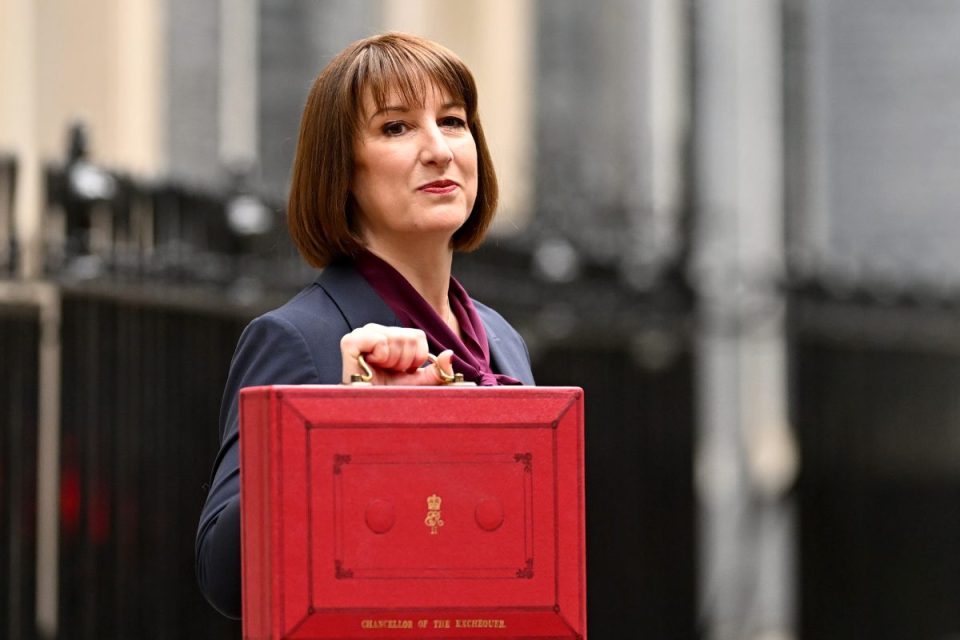
Rachel Reeves is poised to unleash a fiscal consolidation that economists estimate will be between £20bn and £35bn. The scale of the tax hikes needed has stimulated months of speculation around where Rachel Reeves will bring down her hammer, almost all of which have hinted at a deteriorating investment environment.
“As long as there is so much uncertainty with regard to the economy and market unfriendly economic policies then the UK equities buyers strike will remain,” says Hugh Sergeant, fund manager at River Global Investors. “This impacts the capital available both for IPOs and the after market.”
“People are going, ‘Well, hang on a minute – we’ve got this Budget where we don’t know what it means for consumers and businesses,'” adds AJ Bell’s Dan Coatsworth. “It’s not looking very promising in terms of sentiment.”
The ill effect of these outlows on the LSE’s youngest constituents – caused partly by a stuttering, punch-drunk economy – has been exacerbated by one of the other major structural investing trends of the past decade: the ascent of the tracker fund.
For the humble retail investor and stocks and shares ISA holder, these exchange-traded funds (ETFs), which track the valuations of a major index or a basket of companies, are now the predominant way to gain equity exposure.
And this, according to Peel Hunt’s Hall, means two things for the likes of Shawbrook and Princes. First, because it takes a few months for firms to be included in official FTSE 100 or FTSE 250 indices, new entrants often do not benefit from the bulk of ETF investments for weeks – or often several months – starving them of investors’ capital at the start of the listing life.
Second, the bulk of that tracker fund cash is allocated either to global funds that only include London’s juggernauts – like Astrazeneca, HSBC and Unilever – or the entire FTSE 100. And since the largest company of the recent batch of IPOs to have its primary listing in London is Princes, a firm that is 200 times smaller than Astra, none of the new listings can claim to be heavy hitters.
Our two-speed stock market
It is this two-speed nature of this year’s stock market – where big banks, defence companies and energy giants have sped off while smaller firms stutter – that explains why the FTSE 100 is nearing the 10,000-point milestone for the first time in its history despite many of its smaller constituents posting an inauspicious year.
The solutions to the predicament are, to Hall and AJ Bell’s Coatsworth, obvious. Britain’s pension behemoths, many of whose allocation to UK equities are at record lows, must be encouraged – by hook or by crook – to invest in London-listed firms.
“In pensions, savers are getting a very large tax benefit,” says Hall. “Why is 90 something percent of your money then going into overseas – and mostly US companies – it makes no sense.”
FTSE 100-boosting ISA reform still on the cards
The other big pool of capital waiting to be unlocked is ISAs, which could be put to better use by limiting the tax-free cash wrapper and mandating “a UK focus for a proportion of the stocks and shares” for investors to be eligible for the subsidy.
Third – and most politically salient – is the UK’s unusually punitive stamp duty regime on shares. One of the capital market morsels the Chancellor is likely to include on Wednesday’s speech is a three-year holiday from the tax for all new IPOs.
This, in Coatsworth’s eyes, would be “brilliant” and, along with last year’s shake-up to UK listings rules and the UK sustaining its run of highs, might turn the £2.6-trillion-London Stock Exchange tanker around.
“I’d be optimistic,” he adds, pointing to the flurry of fresh listings expected from the likes of Boots, Waterstones and the Norwegian software group Visma soon. “But a caveat that my optimism is on a one to two-year basis, not a one to two-month basis.”
That any structural or momentum shifts come about in time to bolster 2026’s contenders is unlikely, says Coatsworth. Even if they do, it won’t be of much consolation to those who bought into Beauty Tech Group, Princes or Shawbrook at their IPO prices.