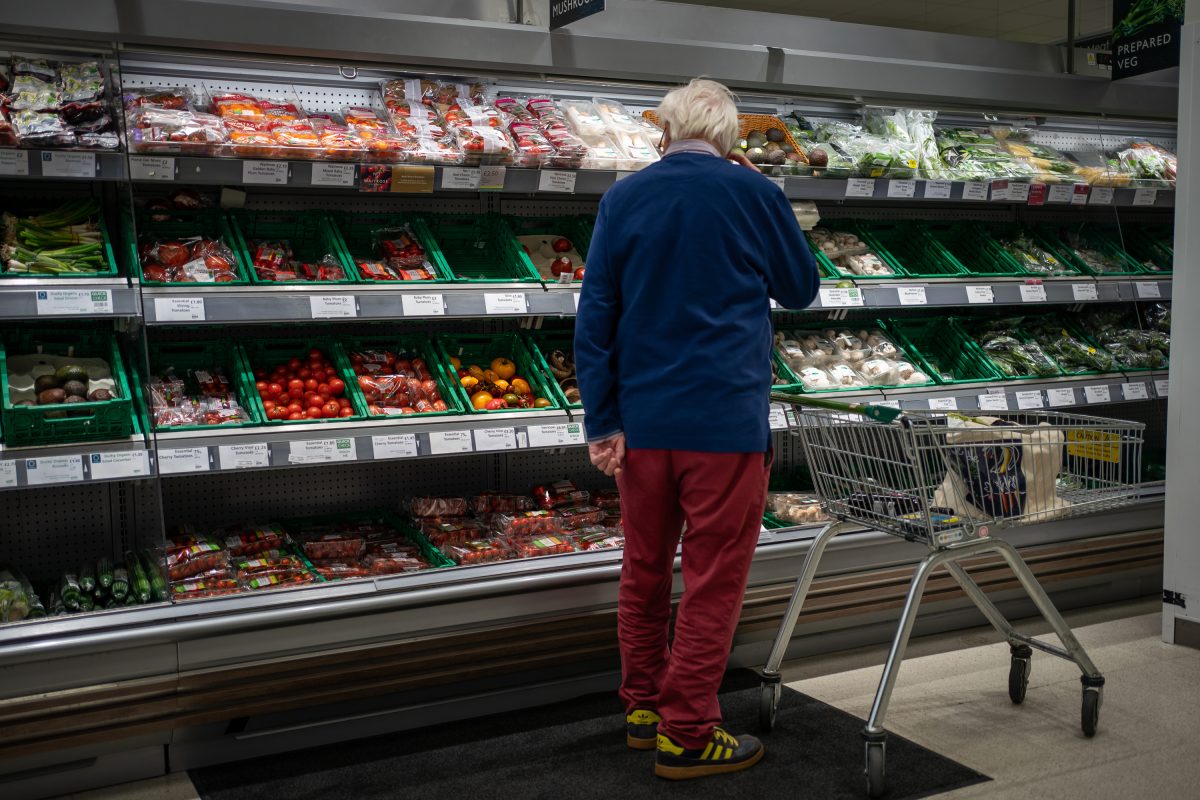
Canadian shoppers may notice a subtle easing of price pressure as the United Kingdom reports its lowest food inflation in nearly five years, a trend that could influence global supply‑chain dynamics and import costs.
In July the rate of food price inflation slipped to 1.3 per cent, down from 1.7 per cent in June, marking the smallest rise since September 2021, according to the Office for National Statistics. The decline comes after retailers warned that inflation could have surged to 10 per cent this year.
British Retail Consortium, which represents chains such as Tesco, Sainsbury's and Asda, said grocers are taking responsibility for keeping prices down without government aid. Lead economist Harvir Dhillon said discounting everyday essentials is "actively shielding" consumers from inflationary headwinds.
Dhillon added that the priority for Andy Burnham's government is to keep inflation in check, but rising policy costs threaten that goal. He called for reductions in energy standing charges, employment costs and a rebalancing of business rates, arguing that savings could be passed directly to shoppers.
Manufacturers are also feeling the pressure. The Food and Drink Federation had warned that the war in Iran could push inflation to 10 per cent, citing supply‑chain and energy spikes. However, chief economist Liliana Danila noted that firms have adapted contracts and diversified suppliers after the Ukraine energy shock, helping to keep prices down.
Despite the overall dip, some categories saw sharp increases: fish prices rose 13.6 per cent, water 9.9 per cent and preserved fruit 8.1 per cent. Conversely, 16 categories fell, including pizza (-8.5 per cent), butter (-5.3 per cent) and jams and marmalades (-5.1 per cent).
For Canadian investors and consumers, the UK data may serve as an early indicator of broader commodity trends. Monitoring how British retailers balance discounting with cost pressures could offer clues about future pricing strategies in North American grocery markets.