Skip to content
CityAM
Main navigation
  • News
    • News
      • Latest Business News
      • Economics
      • Politics
      • Tech
      • Banking
      • FTSE 100 Live
      • Retail
      • Insurance
      • Legal
      • Property
      • Transport
      • Markets
    • From our partners
      • AON
      • Bayes Business School
      • Canada BIDs
      • Central London Alliance CIC
      • Destination City
      • Halkin
      • Olympia
      • Inside Saudi
      • Tottenham Hotspur Stadium
      • Santander X
      • YEAR SIX Dividend
    • Featured

      Ryanair hands O’Leary six-year extension

      Michael OLeary speaking at a Ryanair press conference, dressed in a suit, discussing the airlines latest business updates

      Submit a story

      Tell us your story.

      Submit
  • Opinion
  • Sport
    • Latest Sports News
      • Sport
      • Sport Business
    • From our partners
      • The Morning Briefing: SBS x CityAM
      • Aramco Team Series
      • LIV Golf
    • Featured

      F*** f*** f***: Tennis star Moutet fined £4k per F-bomb for Queen’s Club outburst on BBC

      News article image with diverse professionals in a corporate meeting discussing business strategy and innovation trends.

      Submit a story

      Tell us your story.

      Submit
  • Life&Style
    • Life&Style
      • Life&Style
      • Toast the City Awards
      • The Magazine
      • Travel
      • Culture
      • Motoring
      • Wellness
      • The RED BULLETiN
      • Do it with Shared Ownership
      • Media Speak Hub
    • Featured

      Fogo de Chao nominated for Best Casual Dining Toast award

      Fogo de Chão restaurant exterior with vibrant signage and bustling entrance at popular city location

      Submit a story

      Tell us your story.

      Submit
  • Investec
  • Events
  • Latest Paper
Wednesday 08 March 2023 5:00 am  |  Updated:  Tuesday 07 March 2023 5:02 pm

We should be concerned about privacy – but we still need to introduce digital IDs

By: Rosie Beacon

Add as a preferred source on Google
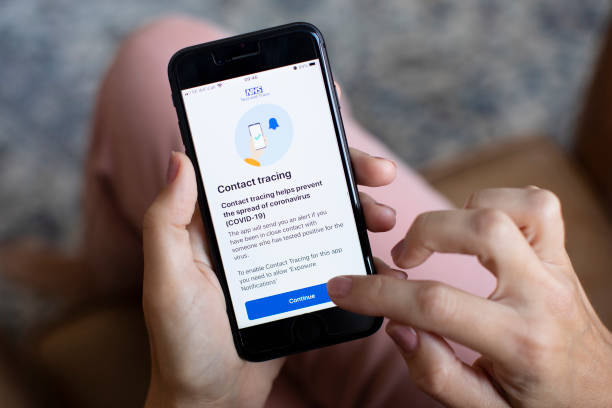
In this photo illustration, the UK governments new test and trace application is displayed on a handheld device, on September 24, 2020 in London,...
A majority of Brits were happy handing over personal data during the pandemic. (Photo by Dan Kitwood/Getty Images)

Some people are very sceptical about the concept of digital identity. But digital IDs are more of an infrastructure than anything else – one that would make accessing public services a lot easier, writes Rosie Beacon

Public debates in the UK on proof of identity have always been fraught with hostility. Enter digital identity, add in the unknown unknowns of technology, the concerns about excessive data collection that comes with it and the civil liberties and these debates are gaining a new lease of life.

While there are adamant opponents of digital identity, it does also have its loyal advocates. It’s intrinsically efficient and slick when it works well, which it often does. It scales easily, and could enable a new age of efficient, digitally enabled services – whether that’s energy payments being delivered seamlessly or stopping criminals from opening multiple bank accounts under different identities to execute fraud.

On the checklist of things public policies should achieve, it ticks a lot of them – its cost relative to impact is fairly impressive.

However, the arguments against state-imposed ID systems are well known: data will be hacked, leaked or misused; citizens will have to share sensitive personal information with every man and their dog; and the system will be used to collect and share new information about citizens, such as location data, with government bodies or private companies.

Unsurprisingly, given my previous columns, I fall into the pro digital identity school of thought, but I don’t think the concerns in and of themselves are unreasonable. Dismissing them without acknowledging them does little to further the argument. Equally, these concerns, while valid, are not enough of a reason to not innovate and improve services. Instead, they should motivate the government to ensure they have robust privacy and security systems – a fairly basic expectation in an already digital world.

For absolute clarity, digital identity is not merely a digital version of an identity card. It can be if it is designed to be, but that is not its sole purpose. And even if it was, the government remains the original issuers and source of truth for most official identity documents anyway. Digital identity is more a type of infrastructure than it is an ID card – connecting public services from the NHS to HMRC together and enabling them to work better.

These problems have rarely materialised in other countries, if at all – and it is used in pretty much every European country as well as Canada and Australia. Digital identity is actually a well established policy now and so these problems have largely been designed out of the system. Estonia’s digital identity is “self sovereign”, in that citizens choose who to share specific ID attributes with (like age or postcode) but can also see which entity has accessed information about them without consent.

In fact, it’s increasingly easy to see digital identity as the more secure option. Australia is considering rolling out digital identity for private sector use following a hack and data leak from Optus, a telecoms company, on the basis that digital identity would prevent the need for citizens to provide sensitive data multiple times to multiple entities.

Similarly in the UK it is the willingness to share data for very specific purposes that makes us need digital identity more. Polling from the Tony Blair Institute in 2021 found that 58 per cent of respondents thought it was acceptable for their personal data to be collected for a Covid passport, contrasted with 32 per cent who trust government agencies with their data.

This has led to a chaotic data landscape across government, and actually ended up undermining how governments use data to improve public services. If information is fragmented in different databases, joining up that data to a coherent whole remains impossible, so someone looking to get the service they need has to start from scratch with each authority.

Digital identity is quickly becoming an obvious opportunity for any radical but sensible policymaker. As ever, implementation requires thought and painstaking care, but there are enough examples out there to show us how to minimise the risks and maximise the benefits. If in ten or twenty years’ time people have a more positive experience of public services, save time nearly every day and are protected from fraud, they may well ask why we didn’t get our IDs sooner.

Read more

The invisible workforce – why AI agents need new identity rules

IT professional managing server room equipment with focus on advanced technology and network infrastructure

Share this article

  • Facebook
  • X
  • LinkedIn
  • WhatsApp
  • Email

Similarly tagged content:

Sections

  • Opinion

Categories

  • Opinion

Trending Articles

  • As it happened: Stocks sink after Fed and Bank of England opt for hawkish hold; Oil price tumbles

  • More Big Four blues as Deloitte plans to slash UK audit roles

  • FTSE 100 Live: Pound dips and stocks slip as Andy Burnham victory triggers political uncertainty

  • Baillie Gifford in line for Anthropic windfall just months after £3.6bn SpaceX bonanza

  • City investors raise alarm on Burnham’s Chancellor pick

More from CityAM

  • The invisible workforce – why AI agents need new identity rules

    Partner
    IT professional managing server room equipment with focus on advanced technology and network infrastructure
  • City calls on tech firms to tackle Britain’s fraud epidemic

    Tech
    Over £600m was stolen by fraudsters in the first half of 2025
  • Visa data leak piles pressure on Britain’s digital ID push

    Tech
    UK work and study visas have fallen as Labour faces pressure to reduce immigration.
  • UK businesses struggle with triple threat of costs, cyber risks and stagnant growth

    Prof Services
    London office workers collaborating on AI and tech projects, surrounded by computers and digital interfaces in a modern wo...
  • Money20/20 Europe Celebrates Ten Years of Industry Leadership as AI, Digital Assets and Financial Sovereignty Take Centre Stage

    Business Wire
  • Regulator under pressure as solicitor misconduct reports soar nearly 30 per cent

    Legal
    London office workers collaborating on AI and tech projects, surrounded by computers and digital interfaces in a modern wo...
  • DFNS Rebrands as the Core Banking Platform for Digital Assets

    Business Wire
  • Uber wants your journey on tape as safety concerns mount

    Tech
    Shares in Uber tumbled more than five per cent in pre-market trading as earnings missed analyst expectations.

CityAM Canada — business, markets and opinion for Canadian readers.

Sections

  • Business
  • Markets
  • Tech
  • AI
  • Economics
  • Opinion
  • Cities

Company

  • About
  • Contact

Legal

  • Terms of Use
  • Privacy Policy
  • Cookie Policy
© 2026 CityAM Canada. All rights reserved.
Terms · Privacy · Cookies